Dusty Springfield: The Icon Who Sang with Sass
Celebrating the Life and Legacy of a Music Legend
About
Dusty Springfield
Singer
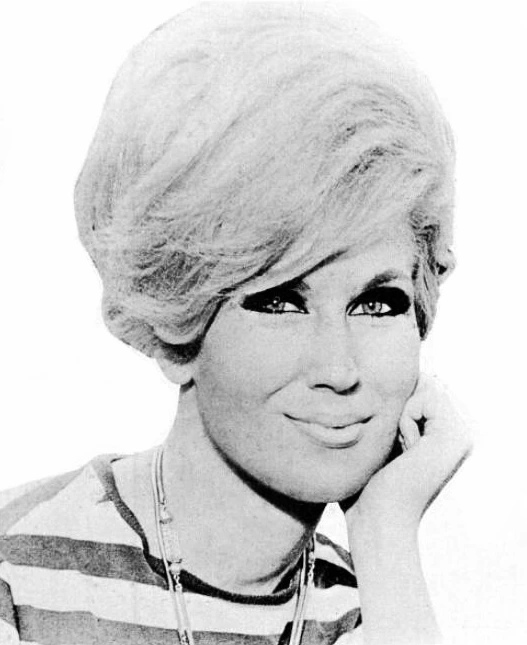
Dusty Springfield, born Mary Isobel Catherine Bernadette O'Brien on April 16, 1939, in West Hampstead, London, was a British singer who defined the sound of the 1960s with her soulful voice and unforgettable hits. With a career that spanned over three decades, Dusty became a pop music icon, known for her powerful ballads and catchy tunes that still resonate in the hearts of fans today. She passed away on March 2, 1999, leaving behind a legacy that would influence generations of artists. But let's take a moment to appreciate not just her music, but the vibrant personality that made her a beloved figure in the entertainment world.
Dusty's journey to stardom began in the early 1960s when she emerged from the shadows of the British Invasion. Before her solo career took off, she was part of a folk group called The Springfields, which included her brother Tom and friend Tim. The trio enjoyed moderate success, but it was Dusty's unique voice that drew attention. She soon branched out on her own, and the rest is history. With hits like "I Only Want to Be with You," "Son of a Preacher Man," and "You Don't Have to Say You Love Me," Dusty captured the hearts of fans around the world. Her signature look, complete with beehive hair and dramatic eye makeup, made her a style icon as well, proving that she was more than just a pretty voice.
In the 1960s, Dusty Springfield became a household name, and her influence stretched far beyond the charts. She was one of the first female artists to embrace a more androgynous style, challenging the norms of femininity in an era where women were often packaged in a very specific way. Dusty was a woman who knew how to work a stage, and her performances were filled with charisma and charm. She wasn't just singing; she was telling a story, pouring her heart into every note and lyric. Her ability to connect with her audience was unparalleled, making her concerts a must-see event.
Dusty's early life was marked by a love for music. Raised in a working-class family, she found solace in the sounds of rhythm and blues, which would later shape her own musical style. She drew inspiration from artists like Aretha Franklin and Ella Fitzgerald, and her passion for music drove her to pursue a career that would ultimately make her a household name. However, it wasn't all smooth sailing. Dusty faced challenges in her personal life, including struggles with her sexual identity and battles with substance abuse. Yet through it all, she remained a fierce advocate for LGBTQ+ rights, using her platform to fight for equality long before it became a mainstream issue.
Dusty's impact on the music industry is undeniable. She was a pioneer for women in pop music, breaking barriers and setting the stage for future generations of female artists. Her soulful sound and poignant lyrics resonated with listeners, and her ability to convey raw emotion made her songs timeless. Even today, her music continues to inspire artists across various genres. From Adele to Amy Winehouse, Dusty's influence can be heard in the melodies and themes of contemporary music, proving that her legacy is far from forgotten.
As we reflect on Dusty Springfield's life and career, it's essential to consider the different perspectives surrounding her impact. Fans remember her for her incredible voice and the emotions she evoked through her music. Critics often highlight her role in shaping the sound of the 60s and 70s, acknowledging her as a trailblazer for women in the industry. But perhaps the most significant perspective comes from those who knew her personally. Friends and colleagues have described Dusty as fiercely loyal, witty, and unapologetically herself. She was known for her sharp sense of humor, often making light of her struggles and embracing the absurdity of life in the limelight.
Dusty Springfield's legacy extends beyond her music; it speaks to the power of authenticity and the importance of being true to oneself. In a world that often pressures individuals to conform, Dusty stood out as a beacon of individuality. She was unafraid to embrace her quirks and imperfections, and this relatability is part of what endeared her to fans. Her story serves as a reminder that success is not just about chart-topping hits but about the connections we make and the lives we touch.
Looking ahead, the implications of Dusty Springfield's legacy are vast. As the music industry continues to evolve, her influence can still be felt in the work of emerging artists who draw inspiration from her fearless approach to music and self-expression. The renewed interest in retro sounds and styles in contemporary pop culture suggests that Dusty's music will continue to resonate with new generations. Moreover, her advocacy for LGBTQ+ rights remains relevant as society grapples with issues of acceptance and equality.
In conclusion, Dusty Springfield's life and career were marked by a unique blend of talent, resilience, and humor. She faced challenges head-on, using her experiences to fuel her artistry and inspire others. As we celebrate her legacy, we look forward to the continued impact of her music and the lessons she imparted about authenticity and self-acceptance. Dusty's spirit lives on through her timeless songs, reminding us all to sing our hearts out, even if life gets a little dark sometimes. After all, as Dusty herself might say, if you can’t laugh at the absurdity of life, what’s the point? So here’s to Dusty Springfield, the soul queen who taught us to embrace our quirks while belting out our favorite tunes, all while wearing the most fabulous eyeliner imaginable.
Dusty’s Enduring Influence
Dusty Springfield's influence extends beyond her own music; it has permeated various aspects of pop culture. From fashion to film, her impact is visible in the works of countless artists and entertainers. For instance, her iconic beehive hairstyle has inspired numerous fashion trends, and her bold makeup choices continue to influence makeup artists today. Dusty's style was not just about aesthetics; it was a form of self-expression that resonated with many, encouraging them to embrace their individuality.
Moreover, her music has been featured in numerous films and TV shows, introducing her timeless sound to new audiences. Songs like "Son of a Preacher Man" have become staples in popular culture, often used to evoke nostalgia or to highlight emotional moments in storytelling. Dusty’s ability to transcend generations speaks to the universal themes in her music—love, heartache, and the quest for identity.
The Legacy of Authenticity
Ultimately, Dusty Springfield's legacy is a powerful reminder of the importance of authenticity in the arts. In a world that often prioritizes commercial success over genuine expression, Dusty showed that being true to oneself can lead to profound connections with audiences. Her willingness to be vulnerable and honest in her music allowed her to create a lasting impact that continues to inspire artists today.
As we celebrate the life and career of Dusty Springfield, let us remember her not only as a musical icon but as a champion of authenticity and individuality. Her story encourages us all to embrace our true selves and to find strength in our uniqueness. Dusty Springfield may have left this world, but her music and message will forever resonate in our hearts.