George Best: The Football Legend Who Captivated the World
Exploring the Life and Legacy of a Football Icon
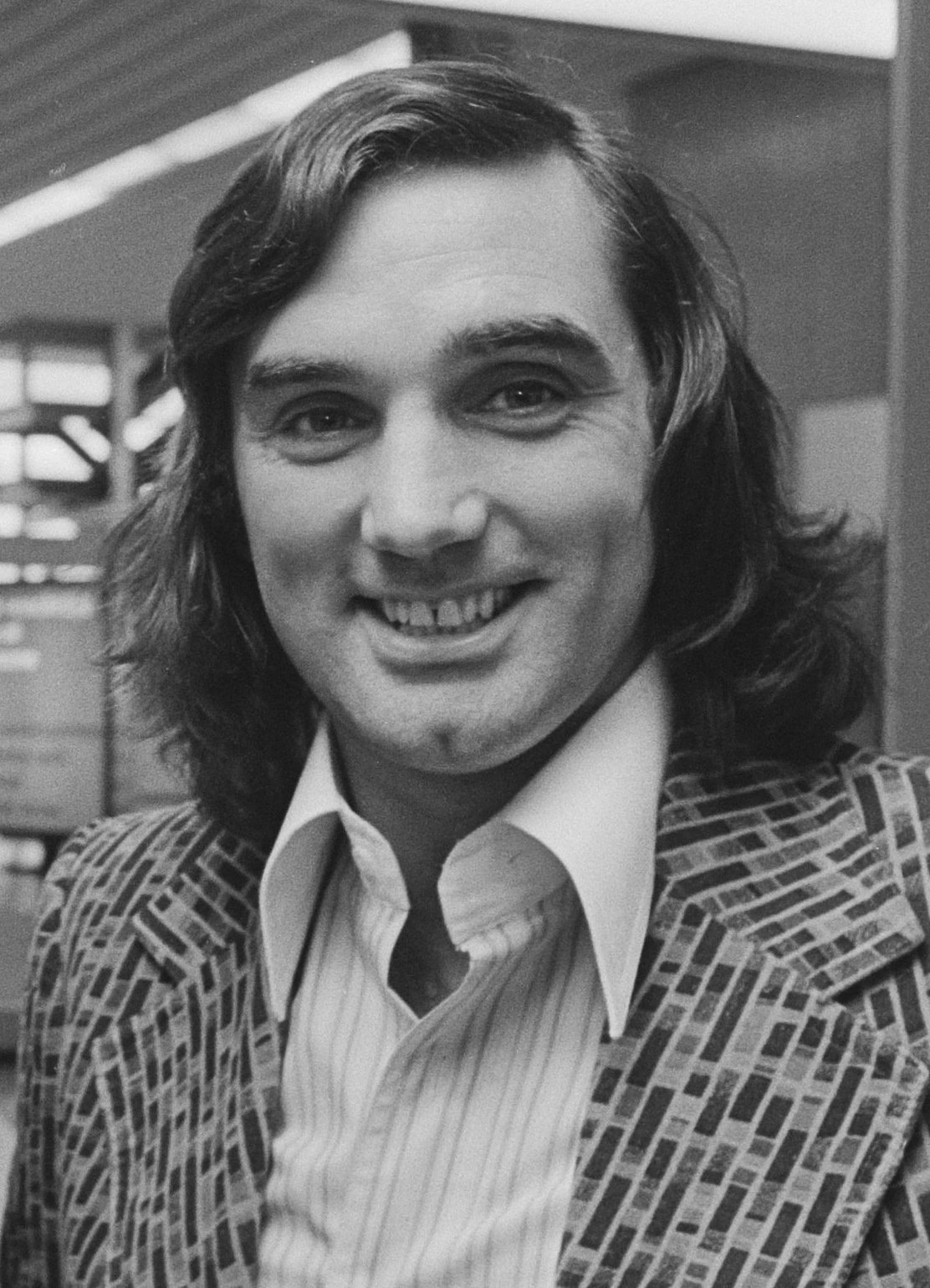
About
George Best
Northern Irish professional footballer
George Best, the Northern Irish footballer known for his dazzling skills on the pitch and his off-field antics, was born on May 22, 1946, in Belfast. He became a global icon during the 1960s and 70s, playing for Manchester United and earning the title of European Footballer of the Year in 1968. Best was not just a player; he was a phenomenon, captivating fans with his style and charisma. Unfortunately, the same flair that made him a darling of the football world also led him down a path of excess, fueled by fame and fortune. Despite his tragic passing on November 25, 2005, due to complications related to alcoholism, Best's legacy lives on, reminding us that while he may have been a wizard on the field, life off it was a different game entirely.
Born into a working-class family, George Best's love for football blossomed at a young age. He joined Manchester United’s youth team at just 15, and his talent quickly became apparent. Under the guidance of the legendary manager Sir Matt Busby, Best made his first-team debut in 1963. He became part of a golden generation of players that included Bobby Charlton and Denis Law, leading the club to numerous victories, including the coveted European Cup in 1968. Best's playing style was revolutionary, characterized by his incredible dribbling skills, sharp footwork, and the ability to score goals that left defenders in his dust. He was not just a player; he was a showman, dazzling fans with his flair and charm.
Off the pitch, however, Best's life was as tumultuous as his dribbles were dazzling. His rise to fame was meteoric, but it was also accompanied by a lifestyle that often spiraled out of control. He was known for his partying, drinking, and relationships with a string of glamorous women, earning the moniker "the fifth Beatle." The media adored him, and he became a tabloid sensation, often making headlines for his wild escapades rather than his footballing achievements. While many athletes strive for a life of discipline and focus, Best seemed to embrace chaos, leading to a complicated legacy that would haunt him until his untimely death.
As Best's career progressed, so did his struggles with alcohol. Despite his undeniable talent, his drinking became a significant issue, affecting not only his performance on the pitch but also his personal life. He retired from football at the young age of 27, a decision many attributed to his inability to cope with the pressures of fame and the bottle. Yet, even in retirement, Best remained a larger-than-life figure, appearing on television, in films, and even in advertising. His charm and charisma made him a perpetual favorite, but it was a double-edged sword. While some celebrated his hedonistic lifestyle, others lamented the tragedy of a talent wasted.
In the years following his retirement, Best's life was a mix of highs and lows. He battled alcoholism, entering rehab multiple times in an effort to regain control over his life. Despite his struggles, he remained a beloved figure in the football community, and his impact on the sport was undeniable. Fans continued to adore him, not just for his skills, but for the raw humanity he displayed, flaws and all. His story became a cautionary tale, highlighting the darker side of fame and the impact of unchecked excess. The football world lost a true genius, but Best's spirit lives on in the hearts of those who witnessed his brilliance.
Reactions to Best’s life and career have been varied. Many remember him as a footballing genius, while others see him as a tragic figure, a man who couldn’t handle the fame he had achieved. Football pundits often debate whether Best's legacy is one of triumph or tragedy, with some arguing that he should be celebrated for his contributions to the game, while others believe he serves as a warning about the perils of excess. Fans have taken to social media to express their admiration for his skills, sharing clips of his most memorable goals and dribbles. Meanwhile, there are those who criticize the culture of celebrity that allowed someone as talented as Best to fall so far. The conversation about Best often revolves around the idea of what it means to be a hero and how fame can distort reality.
The implications of Best's life extend beyond just football; they serve as a commentary on the nature of celebrity and the pressures that come with it. In an era where athletes are often thrust into the limelight at a young age, Best's story raises questions about mental health, addiction, and the support systems available to those in the public eye. With the rise of social media and the 24-hour news cycle, the scrutiny placed on modern athletes is even more intense than it was during Best's time. His legacy prompts us to consider how we treat our heroes, and whether we are setting them up for success or failure. The conversation surrounding Best continues to resonate, reminding us that behind every headline is a human being with struggles and vulnerabilities.
As we look to the future, George Best's story remains a powerful reminder of the complexities of fame and talent. His legacy is not just about the goals he scored or the titles he won, but also about the lessons learned from his life. The world of football continues to evolve, but Best's impact is timeless. His name still echoes in stadiums and pubs alike, a symbol of brilliance and caution. While we celebrate his achievements, we must also reflect on his struggles, ensuring that future generations of athletes are supported both on and off the pitch. As we raise a glass in his memory, let’s hope that we’re all a little wiser about the price of fame and the true meaning of success.
In conclusion, George Best's life serves as both an inspiration and a cautionary tale. His extraordinary talent on the football field was matched only by the tumultuous life he led off it. As fans, we must remember that the athletes we idolize are human, with their own battles to fight. By understanding Best's journey, we can foster a culture that prioritizes mental health and well-being in sports. Let us honor his memory not just by celebrating his remarkable career but also by advocating for a more compassionate approach to fame and its consequences. George Best may have left us too soon, but his legacy will continue to inspire and teach us for generations to come.