Woody Allen: A Life in Frames and Shadows
Exploring the Complex Legacy of a Cinematic Icon
About
Woody Allen
Filmmaker
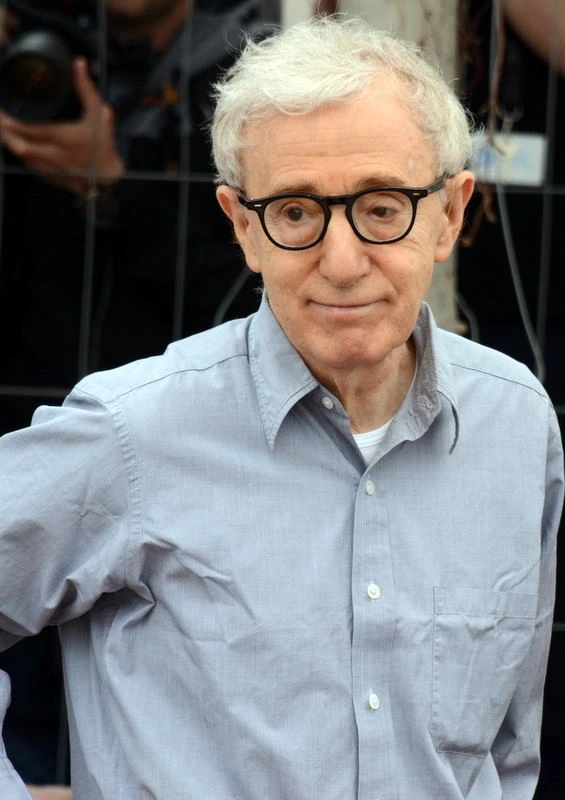
Woody Allen, a name that evokes a spectrum of reactions, from admiration to controversy, has carved a unique niche in the film industry over a career that has spanned more than six decades. Often oscillating between the roles of comedian, director, writer, and actor, Allen's films are characterized by witty dialogue and neurotic characters. They frequently blur the lines between personal introspection and existential musings. From his humble beginnings as a joke writer to becoming one of the most polarizing figures in cinema history, Woody Allen's journey is as intricate and layered as the narratives he weaves. Despite the divisive opinions surrounding his life choices and personal controversies, his cinematic legacy remains undeniable, leaving audiences to grapple with the juxtaposition of brilliance and moral quandary. In this spotlight, we delve into the life and career of Woody Allen, exploring how he has influenced the film industry and the cultural landscape at large.
Woody Allen was born Allan Stewart Konigsberg on December 1, 1935, in the Coney Island neighborhood of Brooklyn, New York. Raised in a middle-class Jewish family, his upbringing was marked by a blend of cultural influences and a strong intellectual environment. His father, Martin Konigsberg, was a jewelry salesman, while his mother, Nettie, was a schoolteacher. Allen's early life was steeped in the arts; he was fascinated by movies from a young age, often spending time at local theaters. As a teenager, he began writing jokes and selling them to magazines, a move that foreshadowed his future in comedy. After graduating from high school, he attended City College of New York, later dropping out to pursue a career in comedy. His first foray into show business came as a comedy writer for television in the 1950s, where he penned material for popular shows like "The Ed Sullivan Show." This experience honed his skills in humor and storytelling, setting the stage for his eventual transition into film.
Woody Allen's mission has always been to explore the intricacies of human relationships and the existential dilemmas that accompany them. His films often reflect his own neuroses and philosophical musings, revealing a deep-seated curiosity about life, love, and the human condition. At the core of his work lies a commitment to authenticity, a pursuit of truth that resonates with audiences, even when masked in humor. Allen has consistently sought to portray characters that are flawed yet relatable, often mirroring his own struggles and triumphs. This quest for understanding and connection drives him, both in his writing and direction. His values are steeped in a love for art, an appreciation for the complexities of life, and a desire to provoke thought and discussion among viewers. Through his films, Allen challenges societal norms and encourages introspection, making his body of work a fascinating study of both the individual and the collective.
Throughout his prolific career, Woody Allen has achieved numerous accolades that underscore his impact on the film industry. He has directed over 50 films, many of which have become cultural touchstones, such as "Annie Hall," "Manhattan," and "Hannah and Her Sisters." His work has garnered a staggering number of awards, including four Academy Awards for Best Original Screenplay and numerous Golden Globe Awards. "Annie Hall," perhaps his most celebrated film, not only won the Academy Award for Best Picture but also helped to redefine the romantic comedy genre, intertwining humor with poignant emotional depth. Allen's films have grossed over $600 million worldwide, showcasing his ability to draw audiences in despite personal controversies. He has also been instrumental in launching the careers of several actors, including Diane Keaton, Scarlett Johansson, and Cate Blanchett, who have all received critical acclaim for their performances in Allen's films. His influence extends beyond box office success, as his unique style and narrative techniques have inspired countless filmmakers and comedians.
The human element of Woody Allen's career is not just in the films he creates but also in the experiences shared by those who have worked with him. Actor and frequent collaborator Diane Keaton has spoken fondly of her time with Allen, describing him as a genius who challenges actors to delve deeper into their characters. Keaton's performance in "Annie Hall" earned her an Academy Award, a testament to Allen's ability to draw out powerful performances. Additionally, actors such as Sean Penn and Naomi Watts have expressed admiration for Allen's distinctive approach to storytelling, citing his work as a source of inspiration for their own careers. However, the personal stories surrounding Allen are not without controversy, as various allegations have surfaced over the years regarding his private life, casting a shadow over his artistic achievements. This duality of adoration and criticism creates a complex tapestry of human experiences that illustrates the multifaceted nature of Allen's legacy.
Currently, Woody Allen remains active in the film industry, continuing to write and direct. His most recent work, "Rifkin's Festival," debuted in 2020, showcasing his signature blend of humor and introspection. Allen has expressed a desire to keep creating as long as he is able, indicating that he has no plans to retire. His ongoing journey reflects a commitment to his craft, demonstrating that despite the controversies that have followed him, his passion for filmmaking remains undiminished. As he continues to navigate the complexities of his public persona and artistic endeavors, Allen's ability to adapt and evolve as an artist speaks to his resilience and dedication to storytelling.
As we consider the life and career of Woody Allen, it is essential to engage thoughtfully with both his artistic contributions and the controversies that surround him. Audiences are encouraged to approach his films with an open mind, contemplating the themes he explores and the complexities of the characters he creates. Whether one views him as a cinematic genius or a controversial figure, there is no denying the impact he has had on the film industry and popular culture. For those interested in delving deeper into Allen's work, exploring his filmography offers a fascinating journey through the evolution of modern cinema. By engaging with his films, we can appreciate the artistry while also grappling with the moral questions they raise. Ultimately, Woody Allen's legacy is a reminder of the intricate relationship between art and the artist, inviting viewers to reflect on the nuances of creativity, individuality, and the human experience.
In conclusion, Woody Allen's life and career serve as a mirror reflecting the complexities of human nature and societal values. His films encourage viewers to confront uncomfortable truths about love, relationships, and the human condition. As we navigate the ongoing discourse surrounding his legacy, it is crucial to recognize the duality of his contributions to cinema and the moral dilemmas they present. The conversation about Woody Allen is not just about the man himself but also about the art he has created and the impact it continues to have on audiences worldwide. By engaging with his work, we can foster a deeper understanding of the interplay between art and ethics, ultimately enriching our appreciation of cinema as a whole.