
The Legacy of Paul Martin: Leadership and Service
Exploring the life and contributions of Canada's former Prime Minister.
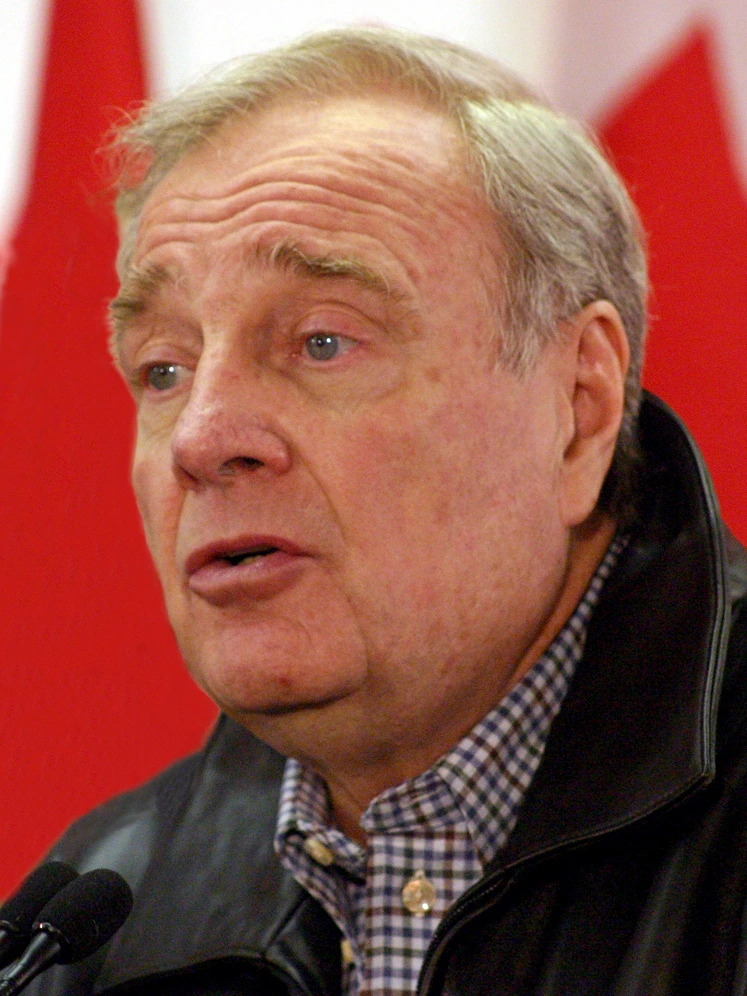
About
Paul Martin
Lawyer
The Legacy of Paul Martin: Leadership and Service
Paul Martin, a name that resonates with strength, vision, and a commitment to public service, has left an indelible mark on Canadian politics and society. From his humble beginnings to his rise as Prime Minister, Martin's journey is a testament to resilience and dedication. As we delve into his life and career, we uncover a narrative filled with pivotal moments that shaped not just his destiny but the future of Canada itself. This spotlight on Paul Martin reveals not only his achievements but also the values that have driven him throughout his life. Whether you know him as a politician, businessman, or philanthropist, there’s much to learn from his multifaceted career and the principles that underpin it.
Born on August 28, 1938, in Windsor, Ontario, Paul Martin came from a family deeply entrenched in the world of politics and public service. His father, Paul Martin Sr., was a prominent Liberal Member of Parliament and cabinet minister, which undoubtedly influenced young Paul’s path. Growing up in a household that valued civic duty instilled in him a sense of responsibility toward his community. Martin attended St. Michael's College School and later graduated from the University of Toronto with a Bachelor of Arts in Political Science. His early education laid the groundwork for his impressive career that would soon unfold.
After completing his studies, Paul Martin ventured into the world of business, joining the family shipping company, Canada Steamship Lines. Under his leadership, the company saw significant growth and modernization, showcasing his ability to innovate and adapt in a competitive market. However, his political aspirations were never far from his mind. In 1988, he was elected as the Member of Parliament for LaSalle—Émard, marking the beginning of his political career. His business acumen proved to be an asset as he transitioned into politics, allowing him to approach governance with a unique perspective.
Throughout his tenure in politics, Martin was driven by a mission to create a more equitable and prosperous society. His values of fairness, innovation, and collaboration became the cornerstones of his political agenda. He believed that government should play an active role in addressing social issues, from healthcare to education, and that economic growth should benefit all Canadians, not just the privileged few. This philosophy guided his decisions as Minister of Finance and later as Prime Minister, where he prioritized social programs and fiscal responsibility.
One of Martin's most significant impacts came during his time as Minister of Finance from 1993 to 2002, where he implemented policies that transformed Canada's economy. Under his leadership, the country experienced a remarkable turnaround, moving from a substantial deficit to a surplus. He balanced the budget and paid down the national debt, all while increasing investments in healthcare and education. It was during this time that Martin introduced the Canada Health and Social Transfer, a significant reform designed to ensure that provinces received adequate funding for health and social services.
As Prime Minister from 2003 to 2006, Martin continued to advocate for progressive policies. He championed the creation of the National Child Benefit, aimed at alleviating child poverty, and initiated the Kelowna Accord, which sought to improve the quality of life for Indigenous peoples in Canada. His leadership during the 2004 election, despite facing a minority government, was characterized by a commitment to transparency and accountability in government, a legacy that remains relevant in today’s political discourse.
Martin's achievements did not go unnoticed. He was celebrated for his ability to navigate complex political landscapes and was recognized both nationally and internationally for his efforts. Under his stewardship, Canada was often lauded for its strong economy and progressive social policies. Additionally, Martin's commitment to environmental sustainability led to the introduction of measures aimed at reducing greenhouse gas emissions, positioning Canada as a leader in climate action on the global stage.
Beyond his political achievements, what truly sets Paul Martin apart is his deep commitment to philanthropy and social justice. After leaving office, he founded the Martin Family Initiative, which focuses on improving educational outcomes for Indigenous youth. His dedication to this cause stems from a personal conviction that education is the key to breaking the cycle of poverty and marginalization. Martin's work has inspired many to engage in the fight for equality and social justice, proving that the heart of leadership lies in serving others.
Many who worked with Martin have shared personal stories that illustrate his character. Colleagues often speak of his unwavering dedication and his ability to listen. His former chief of staff, for instance, recalls how Martin would personally engage with constituents, showcasing his belief that every voice matters, regardless of status. This hands-on approach fostered a sense of community and connection that is often missing in today’s political climate.
Current initiatives led by Paul Martin continue to reflect his lifelong commitment to bettering society. The Martin Family Initiative remains active in advocating for Indigenous education and empowering Indigenous communities. Their recent projects include building partnerships with schools and organizations across Canada to enhance educational resources and opportunities for Indigenous youth. This ongoing work not only honors his legacy but also reinforces the importance of education as a transformative force in society.
For those inspired by Paul Martin's journey, there are many ways to get involved. Supporting organizations that align with his values, advocating for social justice, and engaging in community service are just a few ways to contribute. Whether through volunteer work, donations, or simply educating oneself and others about the issues facing marginalized communities, every action counts. Martin's life is a reminder that each of us has the power to make a difference, and it starts with a commitment to serve our communities.
As we reflect on Paul Martin's life and career, we see a man who not only aspired to lead but also to uplift those around him. His legacy is one of resilience, compassion, and a relentless pursuit of justice. In a world where the lines between personal ambition and public service often blur, Martin's story stands as a beacon of hope, encouraging us all to strive for a better future. So, let us take a page from his book, embracing our roles as advocates for change, and working together to build a society that reflects the values we hold dear. Martin’s journey teaches us that it is never too late to make an impact, and that true leadership lies in our ability to inspire and uplift others.
Conclusion
Paul Martin’s journey through life and leadership serves as an enduring reminder of the impact one individual can have on society. His unwavering commitment to public service, social justice, and education continues to inspire new generations of leaders. As we navigate the complexities of our own times, let us draw from his legacy, striving to create a more inclusive and equitable world for all.