Walter Cronkite: The Iconic Journalist Who Shaped News
Exploring the Legacy of America’s Most Trusted News Anchor
About
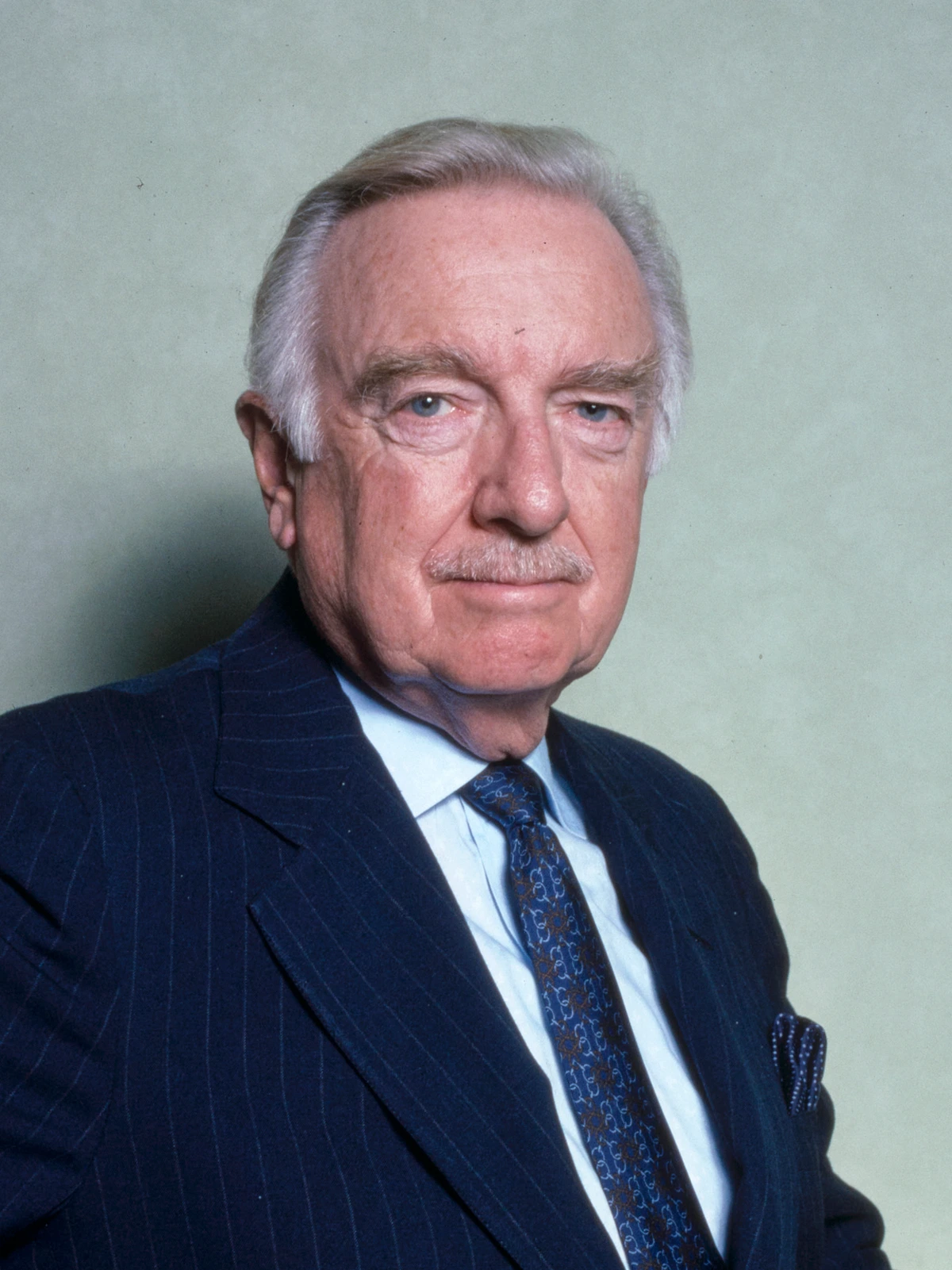
Walter Cronkite
Broadcast journalist
Walter Cronkite: The Iconic Journalist Who Shaped News
Walter Cronkite, often referred to as 'the most trusted man in America,' was a titan of journalism whose career spanned nearly five decades. Born on November 4, 1916, in St. Joseph, Missouri, Cronkite became a household name as the anchor of the CBS Evening News from 1962 to 1981. Known for his calm demeanor and authoritative voice, he reported on some of the most significant events of the 20th century, including the Apollo 11 moon landing, the assassination of President John F. Kennedy, and the Vietnam War. His reporting style was so influential that it arguably shaped the way news is delivered today. Cronkite passed away on July 17, 2009, leaving behind a legacy that continues to impact journalism and public trust in the media. But let’s take a closer look at the man behind the news desk and the quirks that made him a legend.
The Early Years of a Journalism Pioneer
To understand Walter Cronkite, one must first appreciate the era in which he operated. Cronkite began his journalism career in the 1930s, a time when radio was king and television was just a twinkle in the eye of inventors. His first job was as a reporter for the United Press wire service, where he covered the Nuremberg Trials and World War II. It was during these formative years that Cronkite honed his skills, developing a knack for storytelling that would later captivate millions. After the war, he transitioned to television, where his engaging style and ability to simplify complex events made him a natural fit for anchoring.
The 1960s were a particularly tumultuous time in America, with civil rights movements, political assassinations, and the Vietnam War dominating headlines. Cronkite’s coverage of these events was not just informative; it was transformative. His reporting on the Vietnam War, in particular, shifted public opinion and ultimately influenced U.S. policy. In 1968, after witnessing the devastating Tet Offensive, Cronkite famously declared the war unwinnable. This bold move shocked the nation and even led President Lyndon B. Johnson to reportedly say, “If I've lost Cronkite, I've lost Middle America.” It was a pivotal moment that illustrated the power of journalism and the responsibility that came with it.
The Quirks of a News Legend
While Cronkite is celebrated for his integrity, he was not without his quirks. For instance, he had a penchant for the dramatic, often delivering news with a gravitas that could make even the most mundane stories seem monumental. His delivery was so compelling that some have joked he could make a report about a paperclip factory sound like the end of the world. And let’s not forget his love for adventure. Cronkite was an avid pilot and even flew a small plane to cover stories, which certainly adds a dash of excitement to the image of the stern newsman.
Cronkite's impact on journalism extends beyond his on-screen persona. He was a pioneer in the field, advocating for journalistic ethics and the importance of transparency. His commitment to factual reporting helped establish a standard that many journalists strive to uphold today. However, his legacy is not without controversy. Some critics argue that his editorializing blurred the lines between news and opinion, raising questions about objectivity in journalism. Was Cronkite too trusted, or was he simply ahead of his time in recognizing the importance of personal perspective?
The Mixed Reactions to Cronkite’s Influence
Reactions to Cronkite’s influence on journalism have varied widely. Many journalists and media scholars regard him as a role model, often citing his dedication to truth and the ethical standards he maintained throughout his career. Others, however, point to the changing landscape of media and the rise of partisan news outlets as a reminder that trust in journalism is not a given. In an era where fake news and misinformation run rampant, Cronkite's legacy serves as a reminder of the importance of maintaining journalistic integrity.
The implications of Cronkite’s career resonate deeply in today’s media landscape. With the rise of social media and the 24-hour news cycle, the challenge for journalists has become even more complex. The need for trustworthy reporting has never been greater, and Cronkite’s steadfast commitment to the truth remains a guiding principle for many in the field. As audiences become more discerning, the legacy of Cronkite may serve as a benchmark for what journalism should strive to be: accurate, fair, and ultimately trustworthy.
Looking Ahead: The Future of Journalism
Looking ahead, the future of journalism will undoubtedly face new challenges and opportunities. As technology continues to evolve, the way news is consumed will change, but the core principles that Cronkite championed—integrity, accountability, and transparency—will remain essential. While the medium may shift, the need for credible journalism will endure. In a world where misinformation can spread like wildfire, the lessons learned from Cronkite's career are more relevant than ever.
In conclusion, Walter Cronkite was not just a news anchor; he was a cultural icon who shaped the way we perceive news and its impact on society. His unique blend of authority, reliability, and a sprinkle of charm made him a beloved figure in American homes. As we reflect on his life and career, we are reminded that journalism is not just about reporting facts; it is about telling the story of humanity. And while we may have lost Cronkite, his spirit lives on in the hearts of those who continue to pursue the truth. As we navigate the complexities of modern media, let us remember Cronkite’s enduring legacy and strive to uphold the standards he set, ensuring that the news remains a trusted source of information for generations to come.
Final Thoughts
The legacy of Walter Cronkite teaches us that journalism is a crucial pillar of democracy. It is not merely a profession; it is a calling that demands dedication, integrity, and a commitment to the truth. As we face an ever-evolving media landscape, let us honor Cronkite's memory by continuing to strive for excellence in journalism. By doing so, we can ensure that the lessons of the past guide us toward a more informed and engaged society.