
The Legacy of Peter Jennings: A Journalism Icon
Exploring the life and impact of Peter Jennings on journalism.
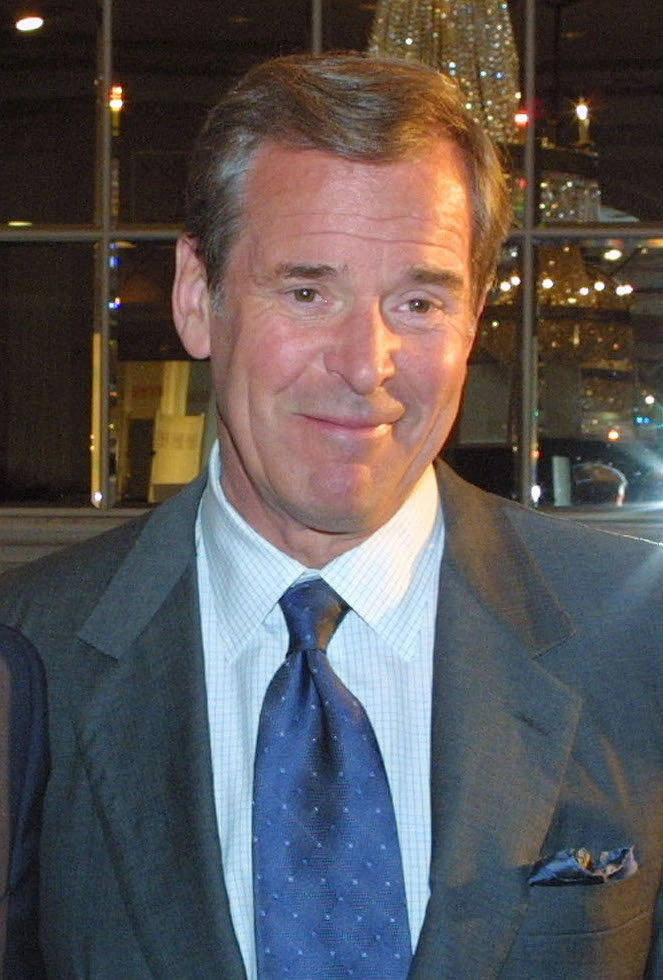
About
Peter Jennings
And American television journalist
The Legacy of Peter Jennings: A Journalism Icon
Peter Jennings, the suave and distinguished anchor of ABC World News Tonight, didn’t just report the news; he became a part of it. With a voice that could command attention and a demeanor that could put even the most anxious viewer at ease, Jennings was a titan in the journalism world. However, it wasn’t just his on-screen presence that captivated millions; it was his profound commitment to uncovering the truth, even when it was inconvenient or dangerous. As we dive into the life and career of this iconic figure, we’ll explore not just his professional triumphs, but the personal stories that shaped him, the values that drove him, and the indelible mark he left behind. So grab your favorite drink and settle in, because this is a journey you won’t want to miss.
Early Life and Influences
Born on July 29, 1938, in Toronto, Canada, Peter Charles Jennings was destined for a life that would intertwine with the power of storytelling. He grew up in a family that valued education and communication, with his father being a prominent journalist and his mother a well-respected artist. Jennings’ early exposure to the world of news significantly influenced his career trajectory; by the tender age of 9, he was already working for his father’s radio station. It was here that the seeds of a future career were planted. Jennings’ passion for reporting blossomed when he took a job at the CBC (Canadian Broadcasting Corporation) at just 17. He eventually made his way to the United States, where his career would skyrocket. From covering local stories to reporting on national events, Jennings’s early experiences honed his skills and prepared him for the big leagues.
A Commitment to Integrity
What truly set Peter Jennings apart was his unwavering dedication to journalistic integrity. Throughout his career, he championed the idea that news should be accessible and honest. His mission was clear: to inform the public while holding those in power accountable. Jennings believed that journalism was not just about reporting facts but about telling the human stories behind those facts. He once said, "The news is not just what happens, but what it means to all of us." This philosophy drove him to cover some of the most significant events of the late 20th and early 21st centuries, including the fall of the Berlin Wall, the Gulf War, and the tragic events of September 11, 2001. Jennings’s values of transparency, empathy, and commitment to truth made him a trusted figure in an increasingly skeptical world.
The Impact of His Career
The impact of Peter Jennings’s career is immeasurable. During his time at ABC, he became the face of breaking news, leading a team that consistently delivered the most relevant and important stories to millions of viewers. Under his leadership, ABC World News Tonight garnered numerous awards, including more than 20 Emmy Awards, recognizing his contributions to journalism. Jennings also played a crucial role in expanding the network’s global reach, often reporting from conflict zones and developing nations, bringing attention to issues that might have otherwise been overlooked. He was one of the first anchors to embrace the internet as a news platform, understanding the necessity of adapting to the changing landscape. By the time he retired in 2005, Jennings had become a household name, with his broadcasts reaching an estimated 28 million viewers nightly.
A Trusted Presence
Beyond the accolades and awards, Jennings’s influence extended into the hearts of those he reported on. Many viewers found solace in his calm and reassuring presence during turbulent times. One story that stands out is the emotional coverage of the September 11 attacks. Jennings was in the midst of a live broadcast when the second plane hit the World Trade Center. His ability to maintain composure while delivering the shocking news showcased not just his professionalism but also his deep empathy for those affected. He later recounted the experience as one of the most challenging moments of his career, a stark reminder of the human cost behind the headlines. Testimonials from colleagues and viewers alike reveal how Jennings took the time to connect with individuals, often expressing genuine interest in their stories, making them feel seen and heard in a world full of chaos.
Continuing the Legacy
Even in his later years, Jennings continued to push boundaries. After retiring from ABC, he remained active in journalism, producing documentaries and hosting specials that explored pressing global issues. His series on the war in Iraq and its implications on civilian life showcased his continued commitment to understanding the human experience behind the statistics. In 2005, he was diagnosed with lung cancer, but even this did not stop him from pursuing his passion. Jennings bravely documented his journey with the illness, shedding light on the realities of cancer and the healthcare system. This honesty resonated with many, turning his battle into a source of inspiration and awareness.
The Legacy Lives On
Today, Jennings’s legacy lives on. His commitment to journalistic integrity and empathetic storytelling continues to influence a new generation of journalists. Initiatives in journalism education often cite him as a figure to emulate, inspiring students to uphold the values he championed. The Peter Jennings Project for Journalists and the Constitution, for example, aims to educate young journalists about the importance of the First Amendment and the fundamental role of a free press in democracy. Jennings’s vision remains a guiding light for aspiring reporters who wish to pursue the truth, no matter how challenging the landscape may be.
Conclusion: Honoring His Memory
As we reflect on the life of Peter Jennings, it is essential to acknowledge the indelible impact he had on journalism and the world. His legacy serves as a reminder of the power of storytelling, the responsibility that comes with it, and the importance of connecting with the human experience. While the news landscape continues to evolve, the core values that Jennings held dear remain timeless. Let us honor his memory by striving for truth and compassion in our own lives, whether through supporting quality journalism, engaging in informed discussions, or simply staying curious about the world around us. Because as Jennings once said, "We are all in this together." So, let’s continue the conversation he started, one story at a time.
Final Thoughts
In conclusion, Peter Jennings was more than just a news anchor; he was a storyteller, a mentor, and a beacon of integrity in journalism. His life and work remind us of the importance of truth in our society and the need for compassion in storytelling. As we navigate an increasingly complex world, let us carry forward the lessons he taught us, ensuring that the stories we tell are not only informative but also deeply human. By doing so, we honor his legacy and contribute to a more informed and empathetic society.