Mikhail Gorbachev: A Transformative Leader in History
Exploring the Legacy of the Last Soviet Leader
About
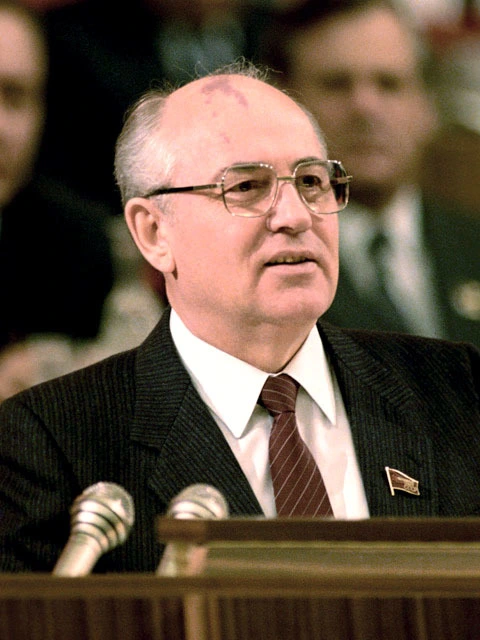
Mikhail Gorbachev
Soviet
When you think of monumental moments in history, few figures stand out as starkly as Mikhail Gorbachev. As the last leader of the Soviet Union, he bore the weight of a crumbling empire while simultaneously striving to reform it. His actions in the late 20th century didn't just shape the fate of a nation; they reverberated across the globe, influencing geopolitics and the lives of millions. Gorbachev’s era was a whirlwind of change, bringing about an end to the Cold War and opening the floodgates of democracy in Eastern Europe. Love him or hate him, Gorbachev's story is one of resilience, innovation, and a dash of irony, making him a fascinating subject for those intrigued by the interplay of politics and human endeavor.
Mikhail Sergeyevich Gorbachev was born on March 2, 1931, in the small town of Privolnoye, in Southern Russia. The son of a farmer, Gorbachev grew up amid the harsh realities of rural Soviet life. His early years were steeped in the struggles of World War II, which left an indelible mark on his character. As a young boy, Gorbachev witnessed the impact of war on his community and country, instilling in him a deep sense of the need for change. After earning a law degree from Moscow State University, he entered the Communist Party, where he quickly rose through the ranks. His early political career was marked by pragmatism and a knack for reform, setting the stage for his later groundbreaking policies.
At the heart of Gorbachev's political philosophy were the principles of glasnost (openness) and perestroika (restructuring). He believed that in order to save the Soviet Union, it needed to be reformed from within. This vision was driven by a moral conviction that the people deserved more freedom and a better standard of living. Gorbachev understood that the rigid structures of the Communist regime were failing, and he sought to revitalize the economy while also promoting greater transparency in governance. His mission was not just political; it was deeply personal. He wanted to foster a society where individuals could express themselves without fear of repression. This commitment to openness and reform would ultimately lead to dramatic changes not just in the Soviet Union, but across the world.
Gorbachev's tenure saw a series of impactful events that would change the course of history. One of his most significant achievements was the signing of the Intermediate-Range Nuclear Forces Treaty (INF) with U.S. President Ronald Reagan in 1987, a pivotal step in reducing the nuclear arms race. Under his leadership, the Soviet Union began to withdraw troops from Afghanistan, marking an end to a decade-long conflict that had drained resources and morale. His policies of glasnost and perestroika led to a surge of political movements across Eastern Europe, culminating in the fall of the Berlin Wall in 1989. The Soviet Union itself began to fragment, with various republics declaring independence—an act that signified the dissolution of a superpower that had dominated global politics for decades. By December 1991, the Soviet Union officially ceased to exist, a moment that Gorbachev later described as one of the most difficult in his life, as he realized his vision of a reformed country had slipped away.
The personal stories of those who lived through Gorbachev's reforms are profound and varied. Many remember the excitement and hope that accompanied glasnost. Irina, a former journalist, recalls how the newfound freedom of expression allowed her to write openly about the government’s shortcomings for the first time. "It was exhilarating. We felt like we had a voice, and for once, people were listening," she stated. However, not all memories are filled with nostalgia. Some citizens, especially those who had benefited from the previous regime, viewed Gorbachev’s changes with resentment. A retired military officer lamented, "He dismantled everything we fought for. The world was safer under the old ways." These contrasting testimonials highlight the complex legacy Gorbachev left behind, one that continues to be debated and analyzed.
Today, Gorbachev remains a figure of intrigue and controversy. He has actively participated in various international initiatives aimed at promoting peace and sustainability, including the establishment of the Gorbachev Foundation and the Green Cross International. These organizations focus on addressing global challenges such as climate change and nuclear disarmament, remaining true to Gorbachev's lifelong commitment to reform and betterment. Although he has stepped back from the political spotlight, his voice still carries weight, particularly in discussions around the need for cooperation in an increasingly fragmented world.
For those inspired by Gorbachev's life and legacy, there are numerous ways to engage with his ideals today. Supporting organizations that promote democratic values, environmental sustainability, and international cooperation can be a way to honor his vision. Additionally, engaging in discussions about the lessons learned from the Soviet experience can deepen our understanding of global politics and history. Gorbachev's journey reminds us that even in the face of daunting challenges, change is possible. As we reflect on his life, we are called to remain vigilant in our efforts to create a world where freedom, transparency, and cooperation reign. Mikhail Gorbachev may have left the political arena, but his impact is indelible; a testament to the power of one individual to inspire hope and change in a world often shrouded in uncertainty.
In conclusion, Mikhail Gorbachev's legacy is not merely a chapter in history but a reminder of the potential for transformative change. His life illustrates how one person's vision can alter the course of nations and inspire generations. As we navigate the complexities of modern geopolitics, Gorbachev's principles of openness and restructuring remain relevant, urging us to strive for a more democratic and sustainable world. His story serves as a beacon of hope, encouraging us to believe in the possibility of change, even when faced with overwhelming odds. The lessons learned from Gorbachev's era can guide us in our pursuit of a better future, one where dialogue, reform, and cooperation take precedence over division and conflict.