The Charismatic Legacy of Paul Newman: A Life in Color
Exploring the Enduring Impact of a Hollywood Icon
About
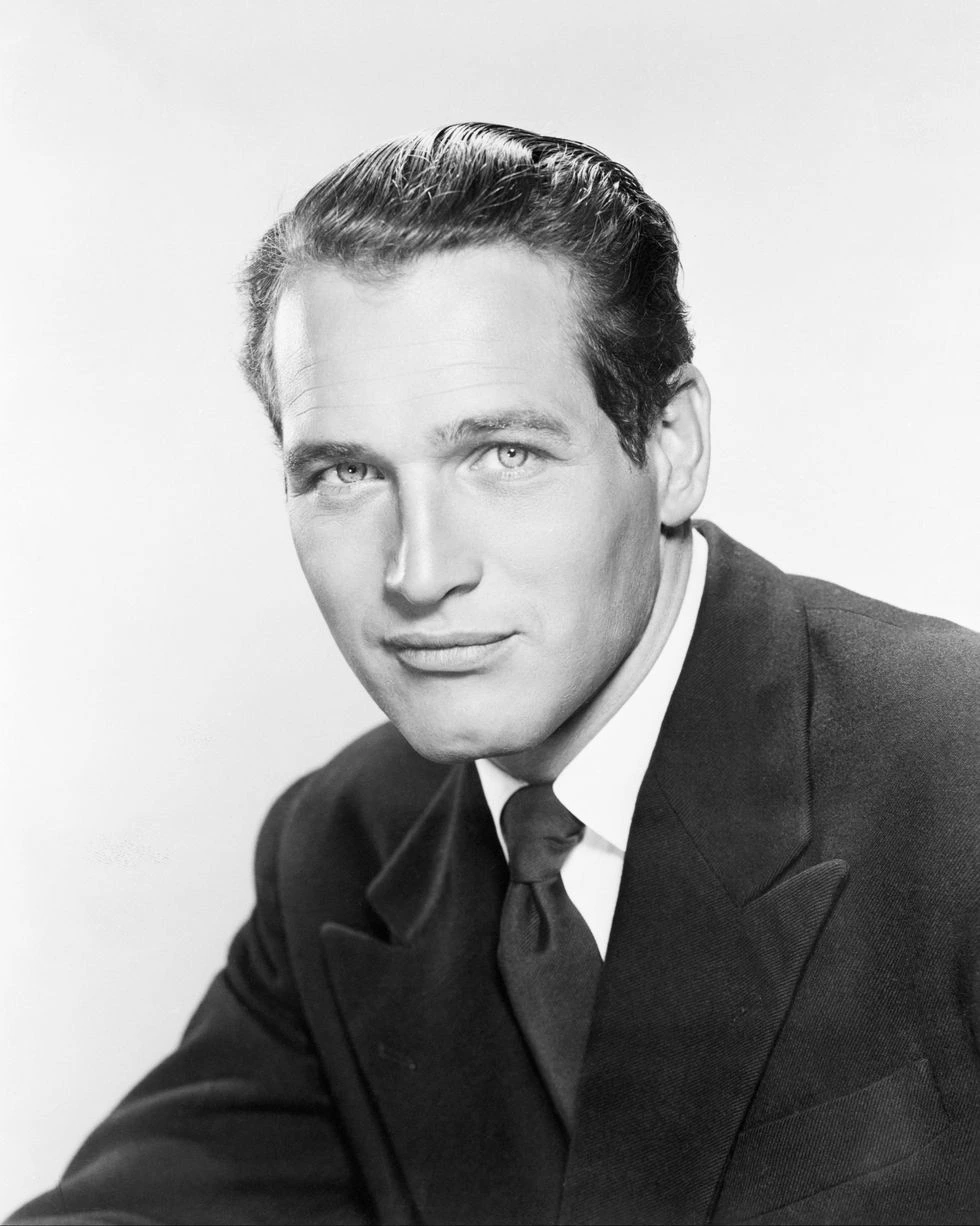
Paul Newman
Paul Newman, an iconic figure in Hollywood, remains a symbol of talent, charisma, and philanthropy. With piercing blue eyes and a smile that could light up the darkest of rooms, Newman captivated audiences for over five decades. He wasn't just a movie star; he was a cultural phenomenon whose influence extended far beyond the silver screen. From his early days in theater to his celebrated film career, Newman's journey is filled with remarkable achievements, a deep commitment to social causes, and an enduring legacy that continues to inspire. His life story is not just about fame and fortune; it's about resilience, creativity, and making a difference. As we peel back the layers of his life, we find a man who was as complex as the characters he portrayed, leaving an indelible mark on both the film industry and society at large.
Born on January 26, 1925, in Shaker Heights, Ohio, Paul Leonard Newman was the second son of Arthur and Theresa Newman. His father was a Jewish sporting goods salesman, while his mother was a homemaker. Growing up in a middle-class family, Newman displayed an early interest in performance, participating in school plays and local theater productions. His passion for acting deepened when he attended Kenyon College, where he honed his craft and developed a love for the stage. However, his academic pursuits were interrupted by World War II, during which he served as a naval aviator. After the war, Newman returned to college, finishing his degree and moving to New York City to pursue acting full-time.
Newman's career took off in the 1950s when he landed his first significant role in the 1954 film "The Silver Chalice." Although the film was not a commercial success, it marked the beginning of his ascent in Hollywood. His breakthrough came with the 1956 classic "Somebody Up There Likes Me," where he portrayed the boxer Rocky Graziano, showcasing his exceptional talent and unyielding determination. Newman's unique blend of charm and intensity quickly made him a sought-after leading man, and he starred in a series of iconic films throughout the late 1950s and 1960s, including "Cat on a Hot Tin Roof," "The Hustler," and "Cool Hand Luke."
What drove Paul Newman throughout his career was not just a desire for fame but a commitment to authenticity and excellence. He was known for his strong work ethic, often immersing himself deeply in his roles. Newman believed that acting was a craft, one that required dedication and a willingness to take risks. His values extended beyond the film set; he was a passionate advocate for social issues, particularly those related to children and the environment. This commitment to making a positive impact in the world became a defining aspect of his life, influencing both his personal and professional decisions.
Throughout his illustrious career, Newman garnered numerous accolades, including an Academy Award for Best Actor for his role in "The Color of Money" in 1986. However, his impact went far beyond the awards. He was a pioneer in the film industry, taking on challenging roles that pushed boundaries and challenged societal norms. Newman also co-founded the renowned Newman’s Own brand in 1982, which initially started with salad dressings and eventually expanded to a variety of food products. The brand's mission was simple: to donate all profits to charitable causes. To date, Newman’s Own has given over $570 million to thousands of charities, making it a remarkable success story in philanthropy.
Newman's influence did not go unnoticed by his peers. Many actors and filmmakers have spoken about his impact on their lives and careers. For instance, actor Tom Hanks once shared how Newman’s humility and kindness inspired him to be a better person both on and off the screen. Newman's friendship with fellow actor Robert Redford blossomed during the making of "Butch Cassidy and the Sundance Kid," a film that solidified them as one of cinema's most beloved duos. Redford often recalls how Newman’s wit and charm made working together a joy, and their camaraderie extended into their personal lives, where they supported each other's endeavors.
Another touching testament comes from director Martin Scorsese, who described Newman as not just a great actor but also a genuine human being. Scorsese noted that Newman's dedication to his craft and social activism made him a role model for future generations of filmmakers and actors. This human element, the personal connections he forged, and the lives he touched speak volumes about the kind of person Paul Newman was beyond the glitz and glamour of Hollywood.
In his later years, Newman continued to act and direct, but he also turned his attention to philanthropy and supporting various charitable initiatives. He established the SeriousFun Children’s Network, a global community of camps and programs for children with serious illnesses. This initiative was born out of his desire to provide unforgettable experiences for children who face tremendous challenges, ensuring they have a chance to enjoy life despite their circumstances. Today, there are over 30 camps worldwide that continue to carry forward Newman's legacy, providing joy and hope to thousands of children and their families.
Currently, the Newman’s Own Foundation continues to thrive, ensuring that the ethos of giving back remains at the forefront of its mission. The foundation partners with various organizations to support education, health, and nutrition initiatives, keeping Newman's spirit alive in the charitable sector. As the world evolves, so do the initiatives inspired by his legacy, adapting to the needs of today's society while honoring the values he held dear.
The story of Paul Newman is one of dedication, passion, and an unwavering commitment to making a difference. As we reflect on his life, we are reminded of the power of art and philanthropy to change lives. His message is clear: fame and success are meaningful only when they are used to uplift others. As we celebrate the legacy of Paul Newman, we encourage readers to explore his films, support charitable causes, and consider how they can contribute to the greater good in their own lives. Whether through volunteering, donating, or simply spreading kindness, we can all honor Newman's memory by making a positive impact in the world around us. His life serves as a reminder that we all have the power to be agents of change and that the most lasting legacies are those built on love, compassion, and a commitment to helping others.
In conclusion, Paul Newman's legacy is not just confined to his cinematic achievements. It encompasses a broader narrative of compassion, creativity, and community service. His contributions continue to resonate, inspiring new generations to pursue their passions while also giving back to society. As we look to the future, let us remember the lessons imparted by this remarkable man: that true greatness lies not in personal accolades but in the positive impact we can have on the lives of others. By embodying these values, we can ensure that Paul Newman’s legacy lives on in every act of kindness and every effort to make the world a better place.