
Sidney Poitier: A Trailblazer in Cinema and Society
Exploring the Legacy of Sidney Poitier, a Cultural Icon
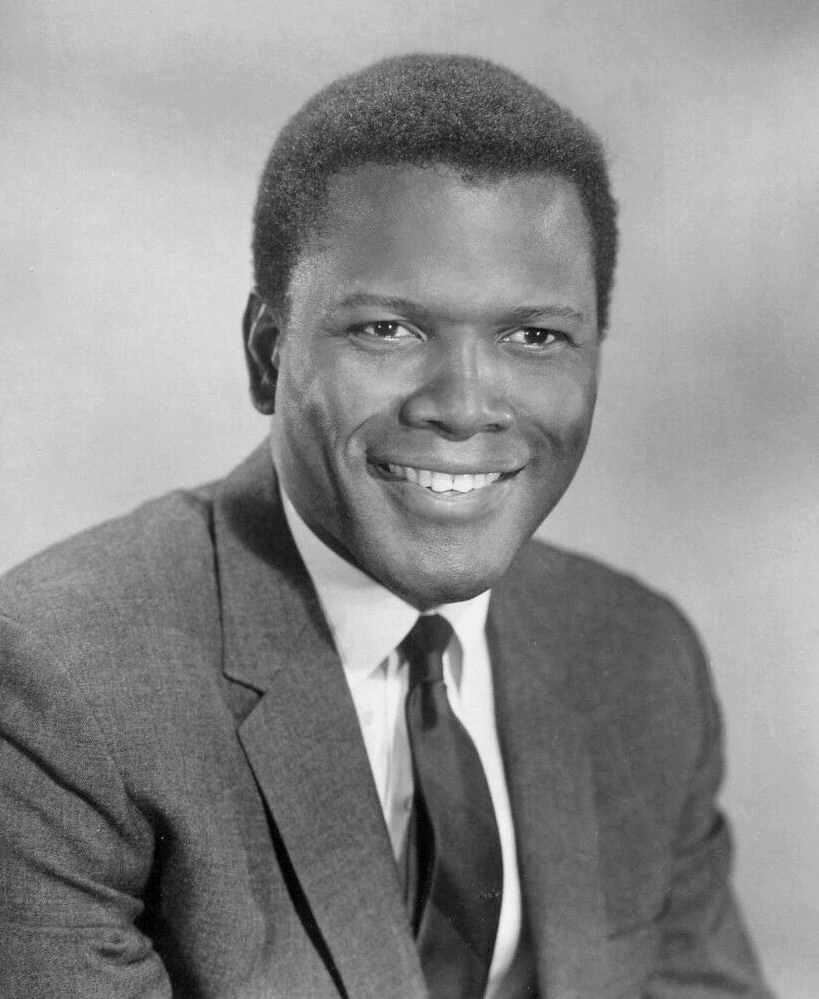
About
Sidney Poitier
{{flatlist|
Sidney Poitier: A Trailblazer in Cinema and Society
Sidney Poitier, a name that resonates with history, talent, and the transformative power of cinema, stands as a beacon of inspiration for generations. As the first Black actor to win an Academy Award for Best Actor, Poitier’s legacy is a rich tapestry woven from the threads of struggle, triumph, and groundbreaking performances. His career, which spanned over seven decades, extends far beyond the screen, reminding us that our lives are not merely defined by the years we live but by the impact we leave on the world around us. Reflecting on the life of this cinematic titan, we are reminded of art's power to challenge societal norms and inspire change, leaving us with an indelible mark of hope. The story of Sidney Poitier is not just about an actor; it’s about an era, a movement, and the relentless pursuit of equality and representation in Hollywood.
Early Life and Cultural Roots
Born on February 20, 1927, in Miami, Florida, Sidney Arthur Poitier was the youngest of seven children. His parents, both Bahamian, had settled in the United States shortly before his birth. His father was a tomato farmer, while his mother worked as a maid. Poitier's early life was steeped in the fabric of the Bahamas, as his family often returned to the islands. This duality of culture shaped his identity and perspective, providing him with a deep appreciation of his heritage.
Growing up in a poor neighborhood, Poitier faced numerous challenges, including racial discrimination and economic hardship. At the tender age of 15, he moved to New York City to live with his older brother, where he struggled to adapt to the fast-paced life of the city while working odd jobs to support himself. It was during this time that he discovered his love for acting. Poitier’s early exposure to theater ignited a passion that would define his life. He joined the American Negro Theatre and began honing his craft, taking classes and performing in various productions. Despite the many obstacles he faced, including a thick accent and the pervasive racial biases of the time, Poitier’s determination and talent propelled him forward.
Breakthrough and Impactful Roles
Poitier’s breakthrough came with the film “No Way Out” in 1950, where he played a doctor confronting racial tensions in a segregated hospital. This role marked a significant milestone, beginning a career that would challenge stereotypes and redefine the portrayal of Black characters in Hollywood. Throughout the 1960s, he starred in a series of groundbreaking films, including “Lilies of the Field,” which earned him the Oscar for Best Actor in 1964. This achievement was not just a personal victory for Poitier but a monumental moment in Hollywood history, as he became the first Black actor to receive the prestigious award. His performance in this film showcased his incredible range and ability to convey deep emotion, setting a new standard for acting.
Poitier continued to break barriers with films like “Guess Who's Coming to Dinner” and “In the Heat of the Night,” both of which tackled complex themes of race and morality. In “Guess Who's Coming to Dinner,” he played a liberal man meeting his white fiancée's parents, navigating the treacherous waters of interracial romance during a time of social upheaval. “In the Heat of the Night” presented him as a detective solving a murder in a racially charged Southern town, a role that solidified his status as a leading man in Hollywood. These films not only showcased his acting prowess but also served as a platform for addressing the critical social issues facing America during the Civil Rights Movement.
Advocacy and Mentorship
Poitier's influence extended beyond his on-screen roles. He became a prominent figure in the fight for racial equality in Hollywood, advocating for better representation and opportunities for Black actors. He mentored many aspiring artists, paving the way for future generations. His commitment to social justice and equality made him a role model, and he often used his platform to speak out against racial injustices. Poitier understood the importance of representation in media and worked tirelessly to ensure that Black stories were told authentically and respectfully.
Personal Life and Challenges
In his personal life, Poitier experienced both triumphs and challenges. He was married to Juanita Hardy from 1950 to 1965, with whom he had four daughters. Later, he married actress Joanna Shimkus, and they welcomed two daughters together. Throughout his life, Poitier maintained a reputation for dignity and grace, even in the face of adversity. However, he did not escape controversy entirely. He often faced criticism from those who believed he was too accommodating to white audiences, a complex position for any artist of his stature during tumultuous times. Despite these challenges, Poitier remained steadfast in his beliefs and continued to advocate for change.
Transition to Directing and Writing
After his illustrious acting career, Poitier transitioned into directing and writing, further solidifying his legacy in the entertainment industry. He directed films such as “Buck and the Preacher” and “To Sir, with Love,” which continued to resonate with audiences. His work showcased his diverse talents and commitment to storytelling that reflected the complexities of the human experience. Even in his later years, Poitier remained a beloved figure in Hollywood and beyond, praised for his contributions to film and culture. His ability to adapt and grow in the industry demonstrated his resilience and passion for the arts.
Legacy and Lasting Impact
Despite his passing on January 6, 2022, at the age of 94, Sidney Poitier's legacy lives on. He left behind a wealth of memorable films, a legacy of advocacy, and the inspiration to countless individuals who dared to dream beyond the limitations imposed by society. His life was a testament to the idea that greatness is achieved through resilience, talent, and a commitment to making the world a better place.
Reflecting on his life and contributions, one cannot help but acknowledge the importance of mortality awareness. Poitier lived a long and fruitful life, serving as an example of how to embrace one's time on Earth with purpose and passion. His dedication to his craft, family, and community reminds us that while our days may be limited, the impact we have can be eternal. Sidney Poitier taught us that the stories we tell and the lives we touch can continue to resonate long after we are gone.
As we look ahead, we honor Sidney Poitier not just as a legendary actor but as a cultural icon who broke barriers and inspired change. His journey is a reminder that every life has the potential to influence the world profoundly. While he may no longer walk the red carpets, his legacy will continue to illuminate the path for those who follow, encouraging them to dream big, act boldly, and make their mark. In a world where representation and equality remain crucial, Poitier's story serves as both a reflection of the past and a beacon of hope for the future. His contributions to cinema and society will forever be cherished, reminding us that art can indeed change lives and shape the world.