Roger Waters: The Relentless Maestro of Rock and Controversy
Exploring the Legacy and Impact of Roger Waters in Music
About
Roger Waters
Musician
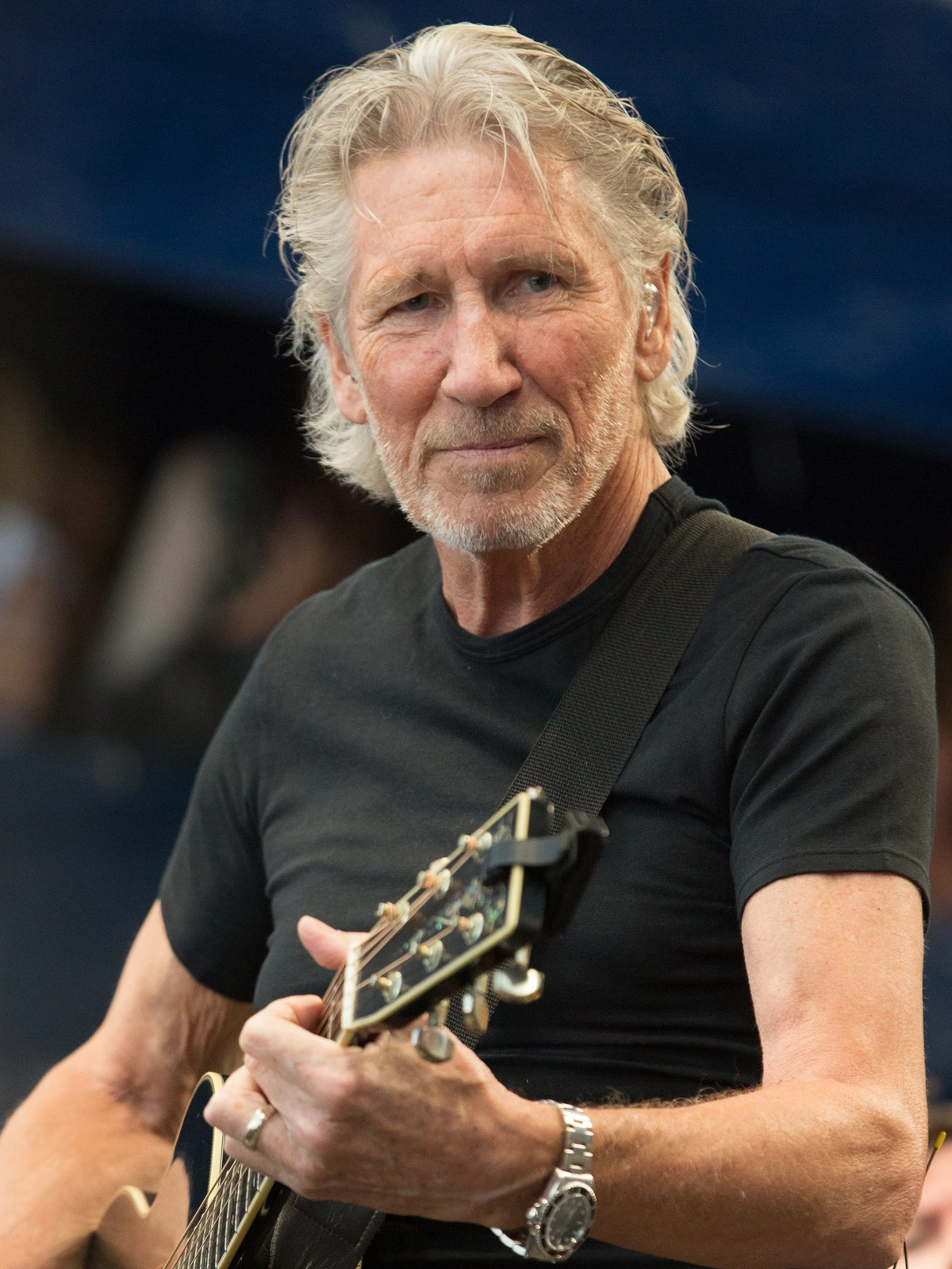
At 82, Roger Waters is the living embodiment of the rock ‘n’ roll ethos, a legend who has spent decades pushing boundaries and provoking thought. If you thought the era of grandiose, theatrical rock was dead, think again. Waters continues to tour with productions that defy age and expectations, showcasing his penchant for existential themes wrapped in elaborate stage spectacles. With a risk score of 87, he's not just playing with sound and vision; he's playing with the very notion of life and death itself. Whether it’s floating inflatable pigs over stadiums or stirring the pot with his former Pink Floyd bandmates, Waters remains a force of nature, reminding us that while some walls may come down, others are built higher than ever. What is it about this enigmatic figure that keeps him at the forefront of music, controversy, and public discourse?
Born on September 6, 1943, in Great Bookham, Surrey, England, Roger Waters was thrust into a world that was about to change forever. His father, a British Army officer, died in World War II when Waters was just five months old, leaving a void that would shape his perspective on life, loss, and the human condition. Raised by his mother, he often felt the weight of this absence, a theme that would echo throughout his music. Waters grew up in a middle-class family that valued education and creativity. He attended the University of Westminster, where he studied architecture but quickly found his passion in music. Influenced by the sounds of the time, from folk to jazz, and inspired by the burgeoning counterculture, he eventually formed a band called The Spectrum Five, which was a precursor to what would later become Pink Floyd.
Waters' career took off in the late 1960s when he joined forces with Syd Barrett, Nick Mason, and Richard Wright to form Pink Floyd. The band quickly gained traction with their innovative soundscapes and psychedelic influences. However, it was in the 1970s that Waters truly emerged as the mastermind behind some of the band's most ambitious works. Albums like The Dark Side of the Moon, released in 1973, and Wish You Were Here, released in 1975, not only topped charts but also redefined what rock music could achieve. The Dark Side of the Moon, in particular, is often hailed as one of the greatest albums of all time, exploring themes of mental illness, existentialism, and the passage of time—subjects that resonate just as strongly today. Not content to rest on his laurels, Waters took his vision further with The Wall in 1979, a rock opera that delves into isolation, war, and personal trauma. The album was a phenomenon, spawning an elaborate film and a theatrical stage show that still captivates audiences today.
Throughout his career, Waters has received numerous accolades, including induction into the Rock and Roll Hall of Fame and Grammy Awards. However, it hasn't all been smooth sailing. His departure from Pink Floyd in 1985 marked a pivotal moment in his life, leading to a public feud with former bandmates that continues to this day. Waters’ outspoken nature and willingness to address controversial topics, from war to political corruption, have earned him both admirers and detractors. His 2013 album, Is This the Life We Really Want?, was a scathing critique of contemporary society, and his tours often feature politically charged commentary. Whether he’s advocating for Palestinian rights or criticizing capitalism, Waters doesn’t shy away from the tough conversations, reinforcing his role as a provocateur in the music industry.
In recent years, Waters has continued to tour extensively, bringing his elaborate and visually stunning productions to audiences around the world. His 2022 tour, dubbed This Is Not a Drill, showcased his penchant for pushing boundaries, featuring a mix of classic Pink Floyd hits and newer material. He's still generating headlines, whether through his music, politically charged statements, or highly publicized feuds. Even at 82, he shows no signs of slowing down, proving that his passion for music and performance is as strong as ever. He remains a controversial figure, continually challenging the status quo and sparking conversations about the world we live in—a true testament to his enduring legacy.
As Waters continues to navigate his 80s, there’s an underlying awareness of mortality that colors his work and public persona. He’s openly discussed the idea of aging and the fragility of life, themes that resonate deeply in his music. Fans can’t help but wonder how the weight of his experiences and the inevitable reality of mortality will influence his future creations. After all, as he once sang, “The time is gone, the song is over, thought I’d something more to say.”
Looking forward, Roger Waters shows no signs of retreating into a quiet sunset. With each show, every new project, and each controversial statement, he remains as relevant as ever. Whether you love him or loathe him, there's no denying that Waters has carved out a unique space in music history, one that blends art with activism and melody with messages that challenge our perceptions of reality. As we ponder the future, one thing is certain: in the world of rock music, the walls that Roger Waters has built—both metaphorical and literal—will remain a topic of discussion long after he decides to hang up his metaphorical hat. So here's to the maestro, the provocateur, and the man who continues to remind us that life is often a performance, and we are all part of the show.
The Lasting Impact of Roger Waters
Waters' influence extends beyond just music; he has become a cultural icon whose work has inspired countless artists across genres. His ability to blend storytelling with social commentary has set a standard in the industry. Songs like "Another Brick in the Wall" challenge educational norms and societal expectations, while his solo work continues to push boundaries and provoke thought.
In addition to his musical contributions, Waters has been an outspoken advocate for various social issues. His commitment to human rights and social justice has often placed him in the crosshairs of controversy, but it has also endeared him to fans who appreciate his willingness to take a stand. His concerts often serve as platforms for political messages, reminding audiences of the power of music as a tool for change.
As we reflect on Waters' legacy, it is clear that he is more than just a musician; he is a cultural force who has shaped the landscape of rock music and beyond. His relentless pursuit of artistic expression and truth continues to inspire new generations of musicians and activists alike. In a world where many seek to conform, Waters stands as a beacon of authenticity and courage, proving that the spirit of rock ‘n’ roll is very much alive.
In conclusion, Roger Waters is not just a relic of the past; he is a living testament to the power of music to challenge, inspire, and provoke. As he continues to tour and create, we can only anticipate what this relentless maestro will do next. His journey is far from over, and for fans around the world, the show must go on.