Neil Diamond: A Timeless Voice in Music History
Exploring the Legacy of a Legendary Singer-Songwriter
About
Neil Diamond
Singer-songwriter
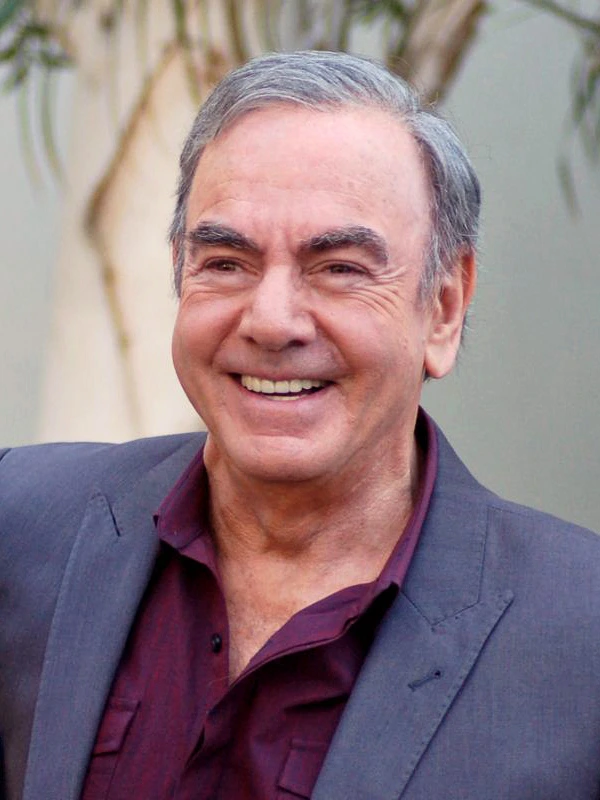
Few artists can claim the ability to unite strangers in a chorus of nostalgia quite like Neil Diamond. The moment that iconic ba-ba-ba rhythm of "Sweet Caroline" hits the air, it’s as if the world collectively pauses to embrace a wave of shared memories, laughter, and maybe even a few tears. At 84 years old, Diamond is still kicking, even if he has stepped away from the spotlight following a Parkinson's diagnosis in 2018. With over 56 million records sold, his music continues to linger in the air, soundtracking wedding receptions, baseball games, and countless late-night sing-alongs. As we delve into the life and career of this legendary singer-songwriter, it’s impossible to ignore the shadows that threaten to encroach upon this legacy—a reminder that even the brightest stars must one day face their own mortality.
Born on January 24, 1941, in Brooklyn, New York, Neil Leslie Diamond’s early life was shaped by a perfect mix of culture and struggle. His father, a dry goods merchant, and his mother, a homemaker, instilled a strong work ethic in him. Growing up in a Jewish household, Diamond found solace in music, often escaping to the local theater to catch performances. The sounds of Elvis Presley and Little Richard filled his young ears, sparking a desire to create. As a teenager, he attended Erasmus Hall High School, where he was not only a gifted student but also an accomplished member of the school's choir. Those formative years were crucial as they laid the groundwork for a career that would eventually span over five decades.
After graduating high school, Diamond took a step that would forever change his life: he enrolled at New York University to study psychology while simultaneously trying to make a name for himself as a songwriter. By the early 1960s, he was penning songs for other artists, including the legendary The Monkees. His composition “I’m a Believer” topped charts, but it was just a prelude to the magic he would soon create as a solo artist. In 1966, he released his debut album, "The Feel of Neil," but it was his 1969 hit "Sweet Caroline" that catapulted him to superstardom. The song’s infectious melody and relatable lyrics captured the hearts of millions, becoming a staple for generations.
As the years rolled on, Diamond continued to churn out chart-topping hits. Songs like “Cracklin’ Rosie,” “Song Sung Blue,” and “You Don’t Bring Me Flowers” solidified his place in rock and pop history. His ability to blend pop, rock, and folk music made him a unique force in the music world, earning him numerous accolades, including a Grammy Award, a Golden Globe, and induction into the Rock and Roll Hall of Fame. His concerts became legendary, drawing fans from all walks of life. Even decades into his career, his live performances remained electric, embodying the spirit of an artist who lived for his audience.
But it wasn't all smooth sailing for Neil Diamond. His personal life has been a rollercoaster ride filled with relationships and heartbreak. He was married twice, first to Jayne Posner, with whom he had two daughters, and later to Marcia Murphey, with whom he had another two children. The end of his marriage to Murphey in 1995 was particularly turbulent, with reports of infidelity and a drawn-out divorce that left both parties reeling. In addition to his marital woes, Diamond faced challenges with mental health, candidly discussing struggles with depression and anxiety that have shaped his life in profound ways. Despite these controversies, he has consistently bounced back, reminding the world of his resilience.
In recent years, Neil Diamond has taken a step back from the limelight. After being diagnosed with Parkinson's disease, he made the difficult decision to retire from touring in 2018. The announcement was met with an outpouring of love from fans who have cherished his music for decades. While he may no longer perform live, his songs continue to echo across the airwaves, proving that his impact on music is far from over. In 2021, he released a new album, "Neil Diamond: The Classic Christmas Album," reminding us that even in the face of physical challenges, creativity knows no bounds.
As we reflect on his life, it’s critical to acknowledge the reality of mortality that looms over all of us, including our beloved celebrities. Neil Diamond’s decision to step back from the stage was not only due to his health but also a profound awareness of life’s fragility. This awareness has been echoed in his recent interviews, where he emphasizes the importance of living in the moment and cherishing every note, every lyric, and every connection made through music. His lifestyle choices and the way he approaches his health serve as a reminder to his fans to prioritize well-being over the pursuit of fame.
Looking ahead, one can only wonder what the future holds for Neil Diamond. Will he surprise us with more music, or perhaps a memoir detailing the highs and lows of his incredible journey? Regardless of what comes next, his legacy is secure. The melodies he created will continue to resonate, reminding us of the power of music to heal, unite, and uplift. As long as people gather to sing “Sweet Caroline,” Neil Diamond will remain a cherished part of our lives, a symbol of joy amid the inevitable shadows of time. The world may change, but the songs of Neil Diamond will forever echo in our hearts, ensuring that his spirit lives on, long after the final note has faded into silence.
In conclusion, Neil Diamond is not just a musician; he is a cultural icon whose songs have transcended generations. His ability to connect with audiences through heartfelt lyrics and memorable melodies has solidified his place in music history. As we celebrate his contributions to the world of music, we are reminded of the profound impact one artist can have on the lives of many. With every note he has sung, he has left an indelible mark on the hearts of fans around the globe. As we continue to cherish his music, we honor not only his legacy but also the timeless power of song to bring people together, heal wounds, and evoke emotions that words alone cannot express.