John Wayne: The Duke Who Dared to Dance with Death
Exploring the Life, Legacy, and Health Struggles of an Icon
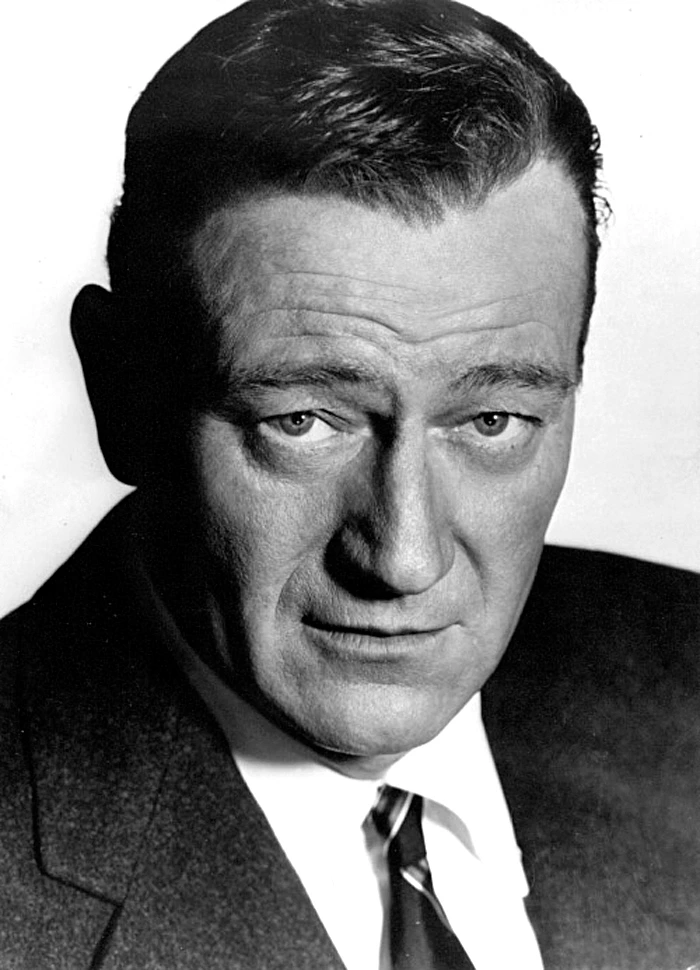
About
John Wayne
Actor
John Wayne: The Duke Who Dared to Dance with Death
In the pantheon of American cinema, few figures loom as large as John Wayne. Nicknamed 'The Duke,' he became the quintessential tough guy, riding into the hearts of moviegoers for over three decades. As a symbol of rugged masculinity, Wayne's presence was undeniable, both on-screen and off. Yet, as he reached the age of 72, the question on everyone’s lips became not just about the legacy he left behind, but also about the looming specter of mortality that seemed to follow him. With a five-pack-a-day cigarette habit and a boisterous love for tequila, Wayne dared the reaper to come and take a shot. Would he ride off into the sunset one last time, or would life’s final showdown be his greatest role yet?
John Wayne was born Marion Robert Morrison on May 26, 1907, in Winterset, Iowa, to Clyde and Mary Morrison. His family moved to California when he was just a boy, and it was in the sunny state that young Marion began to forge his identity. Growing up in a modest household, he was instilled with a strong work ethic and values typical of the American Midwest. Wayne’s father was a pharmacist, and his mother was a homemaker, but the young boy took to the outdoors, dreaming of adventures much bigger than the confines of his small-town upbringing.
Despite his early interest in sports, especially football, it was a surfing accident during college at the University of Southern California that would change his life forever. With a shattered collarbone, Wayne found himself sidelined from the sport he loved. But fate had other plans. While working as a prop boy for Fox Film Corporation, he caught the eye of director Raoul Walsh, who cast him in his first role in the silent film "The Big Trail" (1930). This was the beginning of a long and illustrious career that would see him star in 179 films, many of which would go on to define the Western genre.
Wayne's career took off in earnest with films like "Stagecoach" (1939) and "The Searchers" (1956), where his performances established him as the ultimate cowboy hero. He became the face of American masculinity, embodying traits that audiences adored: bravery, resilience, and unwavering loyalty. His films grossed hundreds of millions at the box office, and he racked up numerous accolades, including an Academy Award for Best Actor for his role in "True Grit" (1969). He became a cultural icon, often portraying hard-nosed characters who would face insurmountable odds with grit and determination. Wayne was not just an actor; he was a symbol of American values, a larger-than-life figure who influenced generations of filmgoers and filmmakers alike.
However, Wayne's life was not without its share of controversies. His staunch conservative beliefs often put him at odds with the changing social landscape of the 1960s and 70s. He was known for his outspoken views on several issues, including a notorious interview where he expressed his disdain for the counterculture movement. His personal life was also tumultuous, marked by three marriages and numerous affairs, including a well-publicized relationship with actress Marlene Dietrich. The Duke’s reputation as a womanizer shadowed him, but it was his unapologetic approach to life that many admired, even if it was sometimes controversial.
As of now, Wayne's health has been a topic of concern. Having battled lung cancer for several years, his weathered frame has shown the toll of a life filled with hard living. But true to form, Wayne continues to face his challenges head-on. He remains a beloved figure, with his films being celebrated and revisited by new generations. His contribution to the film industry and the legacy of his characters live on, proving that while he may be 72, his impact is timeless. Fans eagerly follow news of his health, hoping that the iconic cowboy will continue to grace their screens through classic reruns and tributes.
However, it’s impossible to ignore the shadows looming around The Duke. His risk score stands at a staggering 100, a testament to his health struggles and lifestyle choices. With a five-pack-a-day smoking habit and a penchant for tequila, Wayne has lived life on the edge, teasing fate with every drag and every shot. It raises the question of mortality and how we view our heroes. Will Wayne be able to conquer his greatest foe yet? Or will the reaper catch him off guard one fateful night?
As we reflect on John Wayne's life, we can’t help but admire the man who dared to live fully, even if his choices led him down a perilous path. His legacy remains a powerful narrative of resilience and grit, inspiring countless individuals to face their own battles with courage. Whether he rides off into a final sunset or continues to defy the odds, one thing is clear: John Wayne has left an indelible mark on Hollywood and American culture that will not soon fade away.
In the end, Wayne's story may be one of triumph, tragedy, and the inevitable confrontation with mortality. As the curtain falls on the life of this legendary figure, we are reminded that even the toughest cowboys must face the music eventually. And while we can speculate about what lies ahead, we can also celebrate the legacy of a man who embodied the spirit of adventure, defiance, and the American dream. So raise a glass of tequila, light a cigarette, and toast to The Duke, the cowboy who dared to dance with death and lived to tell the tale.
The Enduring Legacy of John Wayne
John Wayne's impact on American cinema and culture is undeniable. His films not only entertained audiences but also shaped the very fabric of the Western genre. With his larger-than-life persona, Wayne became a symbol of American ideals, embodying the rugged individualism and bravery that many aspired to.
As we continue to revisit his films, we find that they resonate with themes of honor, sacrifice, and the struggle against adversity. These narratives are timeless, reminding us of the values that define us as a nation. Wayne's characters often faced moral dilemmas that challenged their beliefs, making them relatable to audiences across generations.
Moreover, Wayne's influence extends beyond the silver screen. His persona has been embraced in various forms of media, from literature to video games, ensuring that his legacy will endure. As new generations discover his work, they are introduced to the ideals he represented, prompting discussions about masculinity, heroism, and the American experience.
In conclusion, John Wayne's life story is one of complexity and contradiction. He was a man who dared to live boldly, facing both triumphs and tragedies. As we celebrate his contributions to film and culture, we are reminded of the lessons he imparted through his characters and the indomitable spirit he embodied. His legacy will continue to inspire and provoke thought for years to come, making him a true icon of American cinema.