The Legacy of Helmut Kohl: Architect of a Unified Germany
Exploring the life and impact of Germany's unifier and European visionary
About
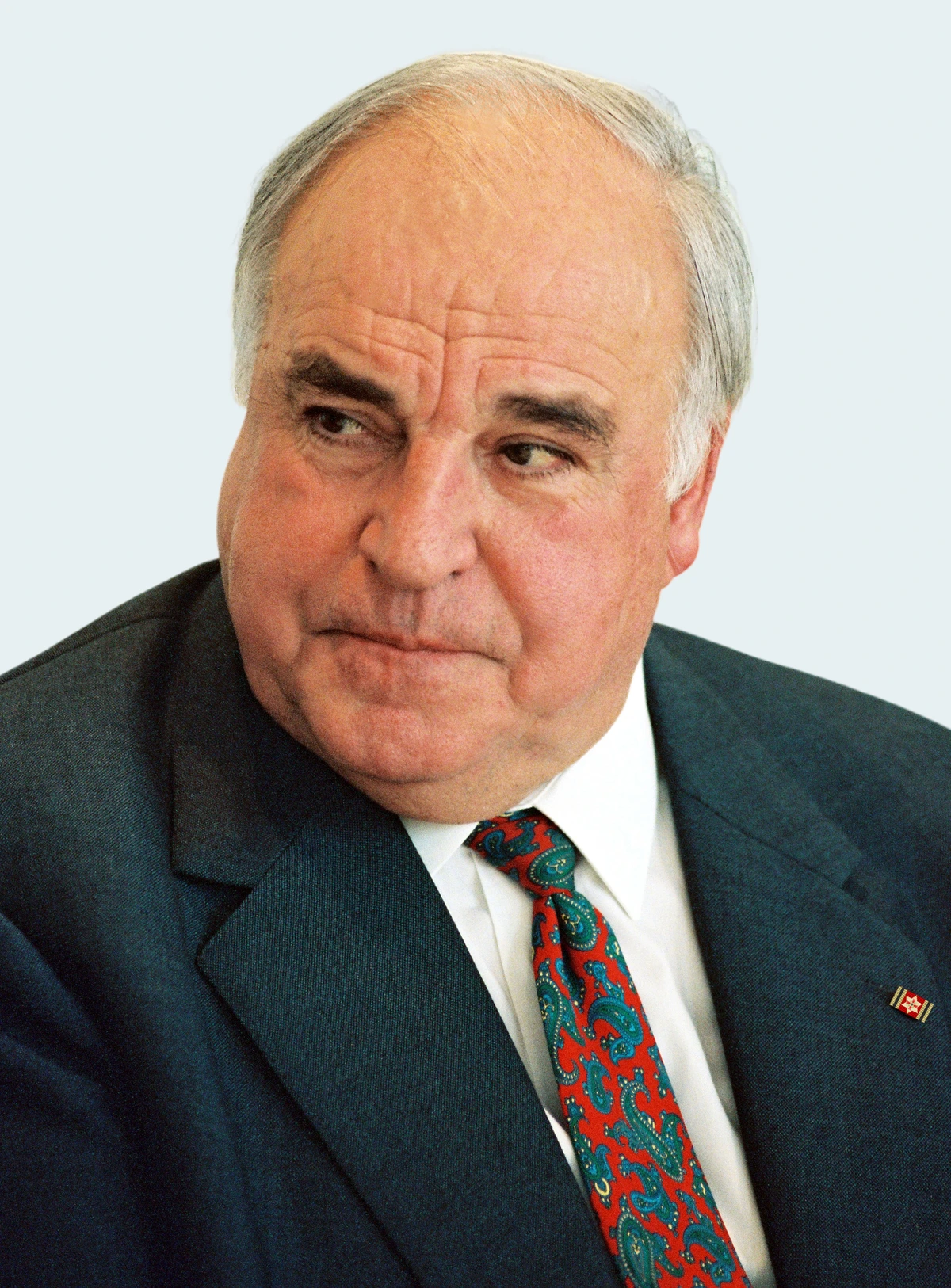
Helmut Kohl
German politician
When Helmut Kohl passed away in June 2017, the world bid farewell to one of the most pivotal figures in modern European history. As the Chancellor of Germany from 1982 to 1998, Kohl played an instrumental role in the reunification of Germany and the establishment of the European Union. His blend of political acumen and steadfast determination not only shaped Germany but also influenced the trajectory of Europe during a time of unprecedented change. With a career that spanned five decades, Kohl's legacy is a fascinating tapestry woven with triumphs, challenges, and an unwavering commitment to his vision of a united Europe. In this spotlight, we will delve into the life and career of Helmut Kohl, exploring his background, values, achievements, and the indelible mark he left on the world stage.
Born on April 3, 1930, in Ludwigshafen, Germany, Helmut Kohl grew up in a country ravaged by the scars of World War II. His early life was marked by the tumult of a nation in disarray, and as a young man, he witnessed the devastation and division that war brought upon his homeland. The son of a modest family, his father worked as a bricklayer, instilling in him the importance of hard work and perseverance. Kohl's education took place in a Germany still wrestling with its identity, and he attended the University of Heidelberg, where he studied history and political science. It was here that he began to develop his political ideology, influenced by the events of his youth and the desire for a stronger, unified Germany. Joining the Christian Democratic Union (CDU) in the 1940s, Kohl quickly rose through the ranks, showcasing his ability to navigate the complexities of political life.
Kohl's mission was clear: to reunite a divided Germany and foster a united Europe. His values were deeply rooted in the principles of democracy, stability, and cooperation. He believed that only through unity could Europe ensure lasting peace and prosperity, learning from the mistakes of history. This vision was not solely political; it was a personal commitment born out of a desire to heal the wounds of a fractured nation. Kohl's purpose was to guide Germany into a new era, one where the specter of totalitarianism would be replaced by democratic ideals and mutual respect among nations. His relentless pursuit of this mission defined his political career and left an indelible mark on the European landscape.
Kohl's impact on Germany and Europe is immeasurable, and his achievements are a testament to his leadership during some of history's most turbulent times. The crowning achievement of his tenure was undoubtedly the reunification of Germany in 1990, a momentous occasion that marked the end of the Cold War era. Kohl's strategic diplomacy was pivotal in negotiating with both East and West Germany, as well as with other key players in the international arena. His government oversaw the integration of East Germany into the Federal Republic, implementing economic and social reforms that helped stabilize and revitalize the former Eastern bloc.
In addition to reunification, Kohl was a driving force behind the establishment of the European Monetary Union, which laid the groundwork for the Euro. Under his leadership, Germany became a leading advocate for European integration, promoting policies that strengthened economic ties and fostered collaboration among member states. By the time he stepped down in 1998, the Euro was on the horizon, and the European Union was becoming a more cohesive entity, thanks in part to Kohl's unwavering dedication.
Moreover, Kohl's tenure was characterized by pragmatic policies that sought to address the challenges of a changing world. He championed initiatives aimed at economic growth, environmental sustainability, and social justice. His government introduced tax reforms and increased investments in education and infrastructure, laying the foundation for Germany's economic resurgence in the 1990s. Kohl's leadership style, often described as steady and decisive, earned him respect both at home and abroad, and his ability to forge alliances across party lines became a hallmark of his governance.
While Kohl was undoubtedly a titan in the political realm, it is essential to remember the human side of this towering figure. Many who worked with him share personal stories that illustrate his dedication, warmth, and sometimes surprising sense of humor. Former aides recall the late-night strategy sessions filled with laughter as well as the serious discussions that shaped Germany's future. One former colleague noted that Kohl had an uncanny ability to connect with people from all walks of life, often taking the time to listen and offer support. His humility and approachability set him apart from many of his contemporaries, making him not just a leader but a mentor to many young politicians.
Kohl’s legacy continues to be felt in contemporary Germany and Europe. In recent years, discussions surrounding his impact have resurfaced, particularly in relation to ongoing debates about European unity and integration. His vision for a united Europe remains a guiding principle for many leaders today as they navigate the complexities of a globalized world. Current initiatives aimed at strengthening the European Union often reference Kohl's ideals, emphasizing the importance of collaboration and shared values in addressing pressing challenges such as migration, economic disparity, and climate change. The ongoing dialogues about the future of Europe can be traced back to the foundational work laid by leaders like Kohl, who recognized that unity was essential for peace and prosperity.
As we reflect on Helmut Kohl's life and career, it becomes clear that his journey was not merely about politics; it was about the hope for a better future. For those inspired by his legacy, there are numerous ways to engage with the ideals he championed. Whether through educational initiatives, supporting organizations that foster European unity, or participating in community outreach programs that promote understanding and cooperation, individuals can carry forward Kohl's vision of a united Europe. The call to action is not just to remember Kohl as a historical figure but to embody the values he stood for in our daily lives. By doing so, we honor his memory and contribute to the ongoing quest for a more unified and peaceful world.
In conclusion, Helmut Kohl's legacy is a powerful reminder of the impact one individual can have on the course of history. His unwavering commitment to unity, democracy, and European integration continues to inspire leaders and citizens alike. As we navigate the challenges of the 21st century, it is essential to keep Kohl's vision alive, ensuring that the ideals of cooperation and mutual respect remain at the forefront of our collective efforts. By embracing his legacy, we not only pay tribute to a remarkable leader but also take meaningful steps toward a brighter, more united future for all of Europe.