The Timeless Beat of Charlie Watts: A Drummer's Legacy
Celebrating the Unmatched Influence of Charlie Watts on Rock Music
About
Charlie Watts
Drummer
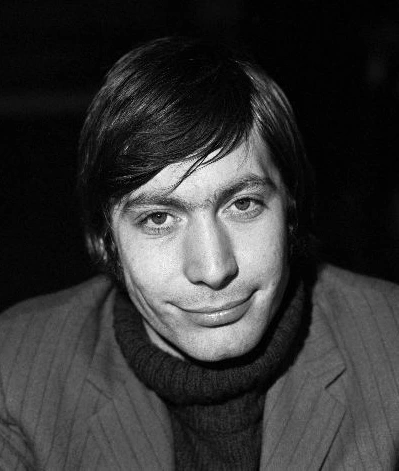
Charlie Watts was the kind of drummer who made you forget you were even listening to a drummer. As the steady heartbeat of The Rolling Stones, he kept the time for rock and roll's most infamous band without ever stealing the spotlight. While Mick Jagger danced like a peacock and Keith Richards strummed his guitar with the swagger of a rock god, Watts maintained an unshakeable calm, as if he were the adult supervising a chaotic family gathering. His passing in August 2021 marked the end of an era, leaving behind a legacy that resonates with fans and musicians alike. So let’s take a moment to reminisce about the man who drummed with a style as cool as his tailored suits, a man whose presence was as essential to rock music as coffee is to a Monday morning.
Born on June 2, 1941, in the gritty outskirts of London, Charlie Watts was not exactly destined to become a rock legend. The son of a lorry driver, he grew up in a modest household, far removed from the glamour of rock star life. However, his love for music was ignited early on, thanks to the jazz records that played on his parents' turntable. From Duke Ellington to Charlie Parker, Watts found his groove in the syncopated beats of jazz, which would later inform his unique drumming style. After picking up the drums at age 14, he honed his craft in local bands, encountering the ups and downs of the music scene before fate intervened in the form of a certain Mr. Mick Jagger.
Watts's journey to the Stones was almost comically fortuitous. In 1962, he was recommended to Jagger and Richards by a mutual friend, and after a brief audition, he was in. The rest, as they say, is history, though Watts often downplayed his role in the band's meteoric rise. He was driven by a mission to make music that transcended the chaos of fame and fortune, a pursuit that aligned perfectly with the Stones’ ethos. While other rock stars were getting lost in the glitz and glam, Watts remained grounded. He cherished the simple things: a good suit, a classic jazz record, and a well-timed rim shot.
Throughout his career, Watts was known for his dedication to the craft of drumming. He believed in the power of rhythm as a unifying force in music, and his values reflected a commitment to authenticity over showmanship. Unlike many drummers who felt the need to be flashy, Watts understood that the best drumming was often the most understated. His purpose was clear: to create a solid foundation upon which his bandmates could shine, and he did this with a blend of elegance and simplicity that only a true artist could master. He was the heartbeat of the Stones, and he never forgot it.
When you look back at Charlie Watts's achievements, it’s hard not to be impressed. He was not just another drummer; he was a cornerstone of one of the most successful rock bands in history. The Rolling Stones have sold over 240 million albums worldwide, and a hefty chunk of that figure can be attributed to Watts's impeccable timing and feel. He featured on every Stones studio album from 1964’s “The Rolling Stones” to 2016’s “Blue & Lonesome,” and his drumming is widely considered some of the best in rock history. Critics often lauded his ability to blend jazz influences into rock music, and his unique style helped to define the band's sound.
Beyond the numbers, Watts was also a man of many talents. He designed stage sets for the Stones and even dabbled in jazz projects outside of the band. His 1991 album, “Live at the Montreux Jazz Festival,” showcased his love for jazz and demonstrated that he was more than just a rock drummer. In 2004, he was honored with the title of Commander of the Order of the British Empire (CBE) for his contributions to music. Not bad for a guy who once said that he never wanted to be seen as a ‘rock star.’
But what really set Watts apart was his down-to-earth personality. He once recounted a story about how he almost left the band after a particularly chaotic tour. A fan approached him, wanting to know how it felt to be famous. Watts responded, “Fame is an illusion. I’m just a drummer.” That humility resonated with fans and fellow musicians alike. His bandmates often shared anecdotes about Watts's calm demeanor, which was particularly comforting during the wild escapades of the Stones’ heyday. He was the steady hand in a world that often spun out of control.
In the years leading up to his death, Watts continued to perform, albeit on his own terms. He had a unique way of balancing his professional and personal life, often retreating to his home in the English countryside when he wasn't on tour. He was known to enjoy the quiet life, which included collecting vintage cars and spending time with his beloved wife, Shirley. His love for jazz never waned, and he often played with various jazz ensembles, proving that his heart was never far from his roots.
As we remember Watts, it’s essential to acknowledge the current initiatives that celebrate his life and legacy. In 2021, a tribute concert was held in his honor featuring an array of artists who admired his work. The event celebrated not just his drumming but the profound impact he had on generations of musicians. It's heartwarming to see that his influence continues to inspire new artists who are learning from the greats who came before them.
So what can you do to honor the memory of Charlie Watts? Play some Stones records, and crank up the volume. Share your favorite Charlie Watts moments on social media, and encourage others to discover the man behind the kit who kept the heartbeat of rock steady for decades. Whether you’re a die-hard Stones fan or someone just discovering their music, remember that Charlie Watts was more than just a drummer; he was a legend who showed us the beauty of restraint in a world that often glorifies excess. So let’s raise a glass to Charlie, the man who made drumming look as effortless as a stroll through a London park—only with a lot more flair and a whole lot of heart.
In conclusion, Charlie Watts's legacy is not just about his drumming but also about the values he embodied. His humility, dedication, and artistry serve as a reminder that true greatness often lies in the background, quietly supporting the brilliance of others. As we celebrate his life, let us carry forward his spirit of authenticity and passion for music, ensuring that the beat he set continues to inspire future generations of musicians. Charlie Watts may no longer be with us, but his rhythm will forever echo in the hearts of those who love rock music. Let’s keep his memory alive, one beat at a time.