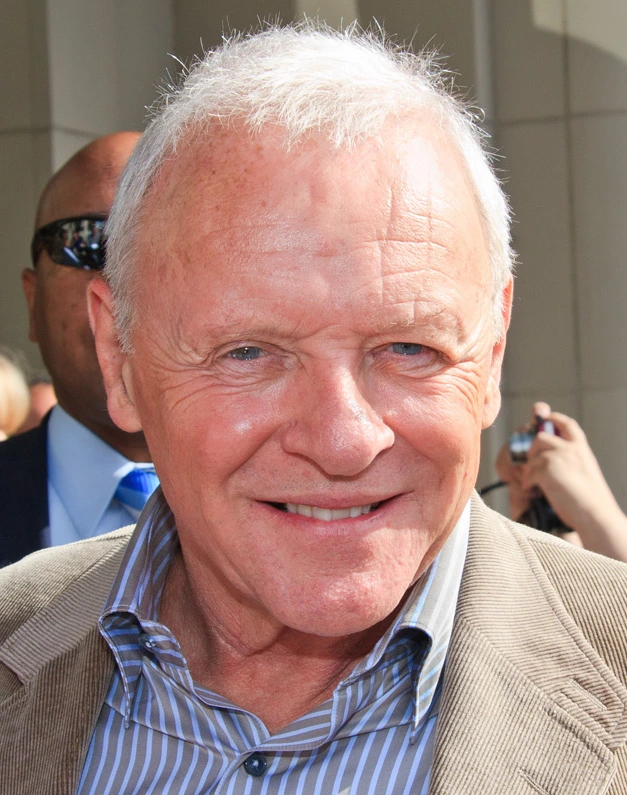
Sir Terry Pratchett: The Wizard of Satire and His Lasting Legacy
Exploring the whimsical worlds and profound insights of a literary giant
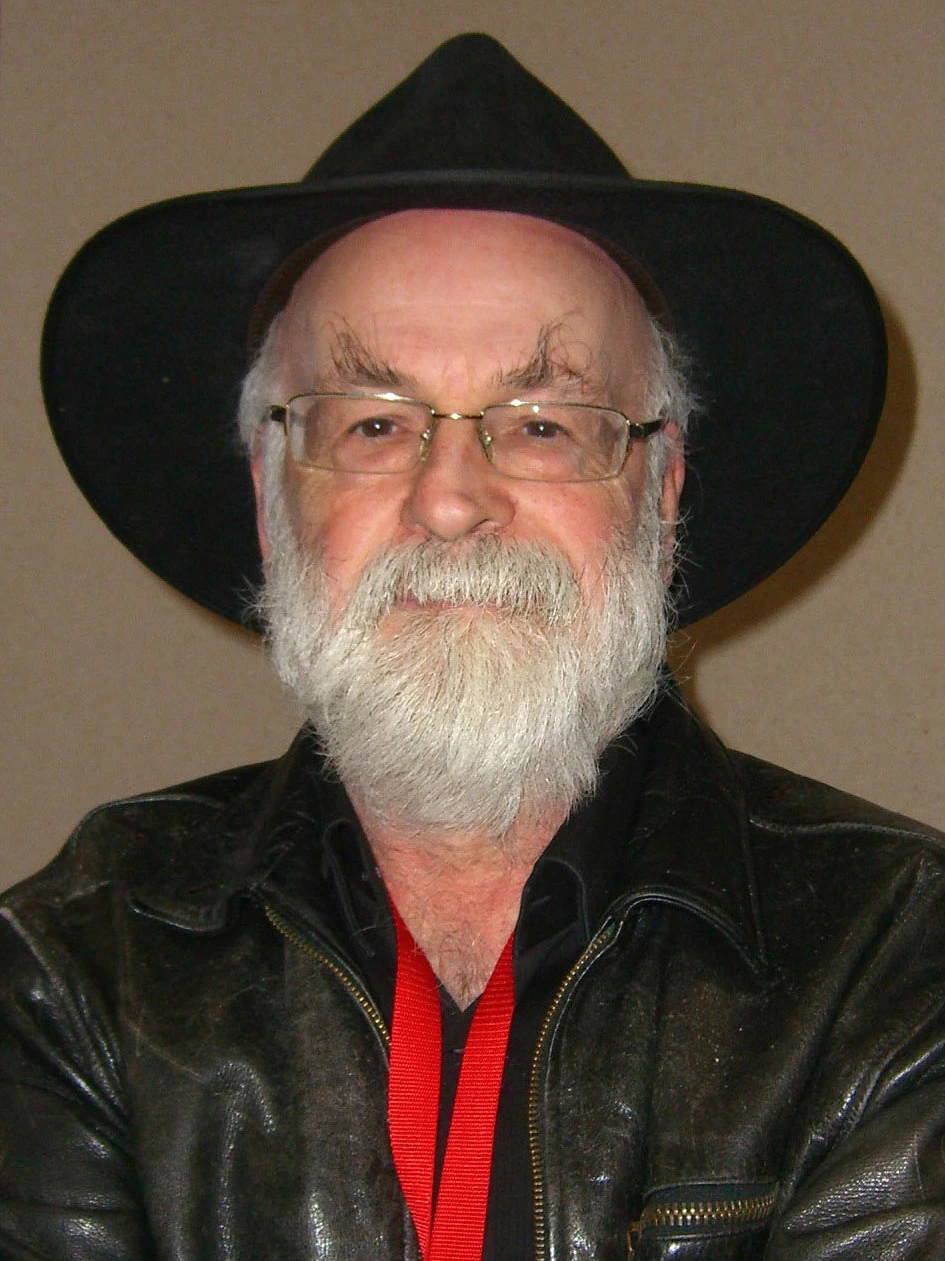
About
Terry Pratchett
Author
Sir Terry Pratchett: The Wizard of Satire and His Lasting Legacy
In a universe filled with mundane realities, few authors have dared to break the fourth wall of existence quite like Sir Terry Pratchett. Born in 1948, this British author became a beacon of whimsical literature, crafting an unparalleled legacy that blended humor with keen insights into the human condition. Known primarily for his Discworld series, Pratchett's stories are not just entertainment; they are a mirror reflecting our absurdities back at us. His unique voice and masterful storytelling have brought joy to millions, introducing us to unforgettable characters like the bumbling wizard Rincewind and the anthropomorphic personification of Death, who, let’s face it, is probably one of the most relatable characters in literature. But despite his literary prowess, the dark specter of mortality loomed large over Pratchett's life, ultimately shaping both his work and his worldview.
Born in Beaconsfield, England, on April 28, 1948, Terry Pratchett's early life was as colorful as the worlds he would later create. Growing up in a modest household as the son of an engineer father and a mother who worked as a secretary, young Terry was an avid reader from a tender age. His family dynamics were typical of the post-war era, steeped in both traditional values and the burgeoning cultural shifts of the 1960s. His childhood was punctuated by a fascination with science fiction and fantasy, often escaping into the realms of his imagination. The young Pratchett found solace in books, devouring the works of authors like J.R.R. Tolkien and C.S. Lewis. These early influences ignited a passion for storytelling that would serve as the foundation for his future endeavors.
By the time he reached his teenage years, Pratchett had already begun to flex his writing muscles, publishing short stories and articles in school magazines. However, his career took a detour when he left school at 17 to work as a journalist for a local newspaper. This experience honed his skills as a writer and storyteller, but the calling to craft his own fantastical worlds would soon prove irresistible. In 1971, he published his first novel, "The Carpet People," which, while not a commercial success, marked the beginning of a prolific writing career. But it was not until the 1983 publication of "The Colour of Magic," the first book in the Discworld series, that Pratchett truly soared into the literary stratosphere.
Over the next three decades, Pratchett would go on to write over 40 Discworld novels, each one more delightful and absurd than the last. His works combined elements of fantasy, satire, and humor, tackling weighty themes like politics, religion, and the nature of existence, all while keeping readers laughing. The Discworld series became a cultural phenomenon, resonating with a wide audience and earning Pratchett numerous accolades, including the British Science Fiction Association Award, the Locus Award, and the prestigious Carnegie Medal. In 1998, he was knighted for his services to literature, cementing his status as one of the greats.
Pratchett was not just a writer; he was a cultural commentator, unafraid to take on controversial topics. His works often reflected his views on societal issues, and he was an advocate for the rights of the disabled and a vocal critic of organized religion. He faced some backlash for his candidness, which only fueled his writing. His tongue-in-cheek style often masked serious commentary, and readers appreciated the way he handled sensitive subjects with humor and grace. One of the most notable controversies arose when he was accused of trivializing death in his portrayal of the character Death, a skeletal figure who, despite his grim appearance, often displayed a surprising amount of empathy and humor. Pratchett's approach challenged preconceived notions of mortality, inviting readers to reconsider their own views on death and existence.
As his career progressed, Pratchett's life took a darker turn. In December 2007, he was diagnosed with early-onset Alzheimer's disease, a revelation that would profoundly affect both his personal life and his work. Despite the challenges posed by the illness, Pratchett remained committed to his writing, demonstrating a remarkable resilience that inspired countless fans. He openly discussed his condition, raising awareness around Alzheimer's and advocating for the importance of assisted dying for those suffering from terminal illness. His frankness about his struggles made him even more relatable, and he often infused his personal experiences into his narratives, creating a deeper connection with his readers.
In 2014, Pratchett announced that he was stepping back from writing due to his deteriorating health, leaving fans with a bittersweet sense of loss. His final novel, "The Shepherd's Crown," was published posthumously in 2015. It became a poignant farewell from an author who had given so much to the literary world. Pratchett passed away on March 12, 2015, at the age of 66, leaving behind a treasure trove of stories and a legacy that will endure long beyond his years.
Despite his passing, Terry Pratchett's influence continues to resonate. His works have been adapted into various forms, from television series to stage plays, and his fans remain devoted to his unique blend of humor and wisdom. The Discworld series has spawned a cult following, with readers celebrating his characters and quotes, often referencing the sage advice of Death: "Do not dwell on the past, do not dream of the future, concentrate the mind on the present moment." This quote encapsulates Pratchett's philosophy, one that encourages living life fully, even in the face of mortality.
Pratchett's legacy is not just in the pages of his books but also in the conversations he sparked about life, death, and everything in between. His candid discussions about his illness have changed the way we perceive Alzheimer's and the aging process, advocating for a more compassionate approach to end-of-life care. His humor, insight, and humanity make him a beloved figure in literature, a wizard of words who conjured magic from the mundane.
In reflecting on the life of Terry Pratchett, it is essential to embrace the awareness of mortality that permeated his work. He taught us to dance with the absurdities of life, to laugh in the face of death, and to cherish every moment. His writings encourage us to explore our own mortality with curiosity rather than fear. As we continue to read his stories, we are reminded that while life may be fleeting, the impact of a well-spun tale is eternal. So let us celebrate Sir Terry Pratchett, a literary giant whose words will forever echo in the hearts of those who dare to imagine a world where the improbable becomes reality.
Conclusion
Terry Pratchett's impact on literature and society is undeniable. His ability to weave humor with profound insights has not only entertained but also educated readers around the globe. As we delve into his works, we find not just stories, but lessons on humanity, empathy, and the importance of questioning the status quo. In a world that often seems chaotic and unpredictable, Pratchett's tales remind us that laughter can be a powerful tool for navigating life's complexities. His legacy will continue to inspire future generations of writers and readers alike, ensuring that the magic of Discworld lives on.