The Life and Legacy of Marvin Gaye: A Musical Icon
Exploring the Journey of a Soulful Legend Through Love and Struggle
About
Marvin Gaye
R&B
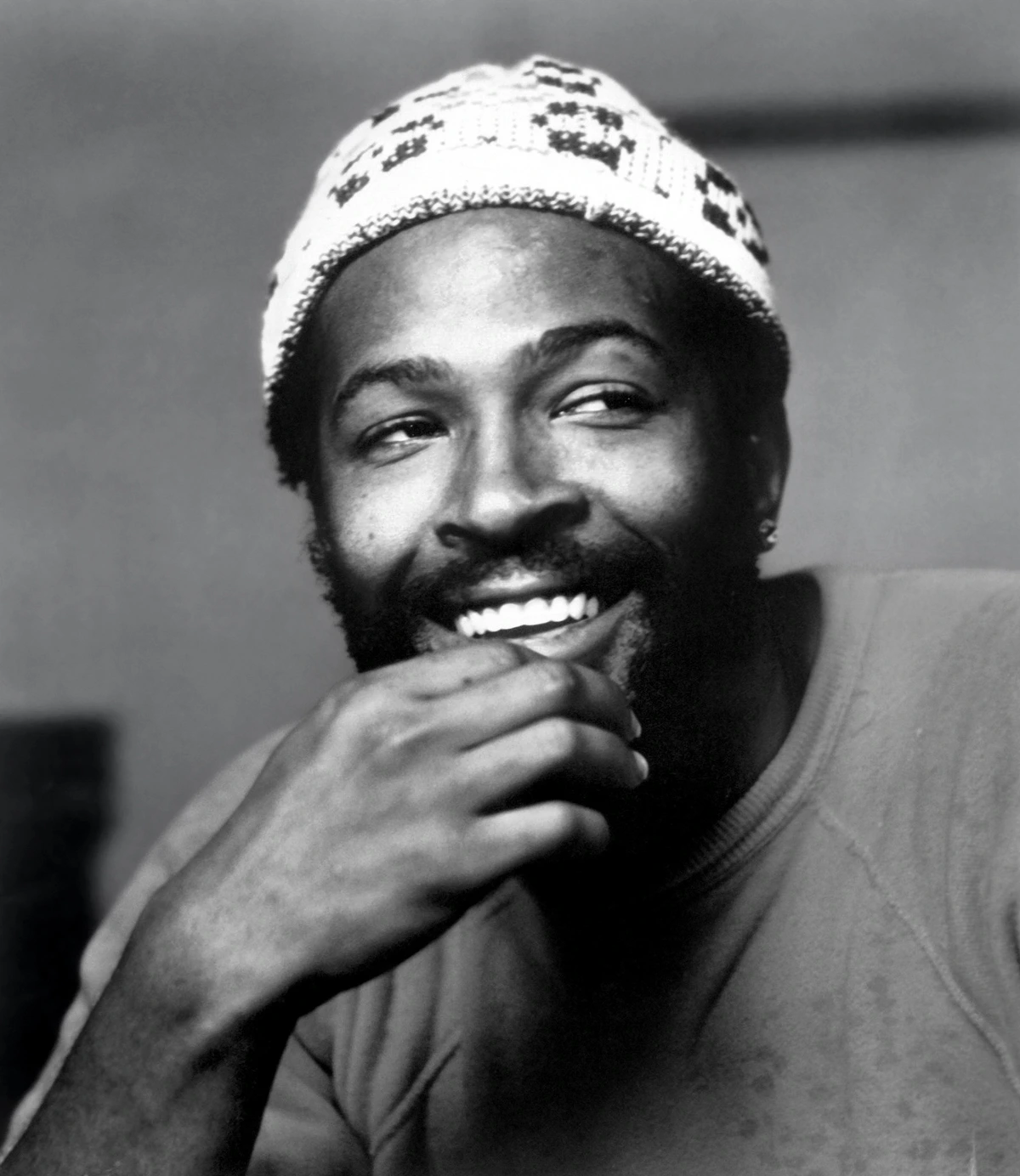
Marvin Gaye, born Marvin Pentz Gay Jr. on April 2, 1939, in Washington D.C., is often celebrated as one of the most influential figures in the music industry. Known for his smooth voice and profound lyrics, Gaye's career spanned over three decades, encompassing genres like soul, R&B, and pop. His groundbreaking work during the Motown era, especially with hits like "What's Going On," solidified his legacy as an artist who not only entertained but also challenged societal norms. Tragically, his life was cut short when he was fatally shot by his father on April 1, 1984, just a day before his 45th birthday. Gaye's life was a tapestry of musical genius interwoven with personal struggles, creating a narrative that continues to resonate with fans and music lovers worldwide.
To understand the phenomenon that was Marvin Gaye, we must delve into the context of his life and career. Marvin was raised in a strict religious household, which often clashed with his burgeoning passion for music. His father, a minister, had a complicated relationship with him, often leading to tensions that would follow Marvin throughout his life. Nevertheless, Gaye's love for music blossomed early, and he began singing in church, where he discovered the power of his voice. In the late 1950s, he joined Motown Records, initially as a session drummer and later transitioning to a full-fledged artist. His early hits, including "Stubborn Kind of Fellow" and "Hitch Hike," showcased his ability to fuse rhythm and blues with pop sensibilities, but it was his 1971 album "What's Going On" that marked a pivotal turn in his career. This album, a concept piece that addressed social issues such as war, poverty, and the environment, was not just a commercial success but a cultural phenomenon. It challenged the status quo of music, proving that artists could use their platform for social commentary.
Gaye's life was a rollercoaster of highs and lows, with his career often mirroring his personal struggles. He battled depression, drug addiction, and tumultuous relationships, all of which colored his music with raw emotion. The deeply personal nature of his work, especially in songs like "Let's Get It On" and "Sexual Healing," reveals the complexities of love and intimacy, showcasing his vulnerability as an artist. However, it wasn't all smooth sailing. Gaye's battles with Motown's founder, Berry Gordy, over creative control led to a temporary estrangement from the label that had propelled him to fame. Yet, he managed to navigate the choppy waters of the music industry, ultimately returning to produce some of his most iconic work. Gaye's impact on music is immeasurable, with countless artists citing him as an influence. His smooth falsetto and emotive delivery have inspired generations, proving that vulnerability can be a strength.
As we reflect on Marvin Gaye's legacy, it's essential to consider the myriad perspectives that surround his life and career. Music critics have lauded Gaye for his innovative approach to songwriting and production, often highlighting his ability to blend genres seamlessly. On the other hand, some have critiqued his personal life, pointing to his tumultuous relationships and struggles with addiction as a tragic counterpoint to his artistic brilliance. Fans often remember him for his romantic ballads and socially conscious anthems, celebrating his ability to connect with listeners on a profound level. Quotes from contemporaries provide further insight into Gaye's character. Diana Ross once remarked, "Marvin had a way of making you feel like you were the only person in the room when he sang to you." This sentiment captures the essence of Gaye's artistry—a gift for creating intimacy through music, even amidst his personal chaos.
The implications of Marvin Gaye's life and career extend far beyond his untimely death. His music continues to influence artists today, with modern musicians drawing inspiration from his sound and lyrical themes. The social issues he addressed in his work remain relevant, prompting discussions about the role of music in activism. In an era where artists are increasingly using their platforms to advocate for change, Gaye's legacy serves as a reminder of the power of music to inspire action. His ability to blend personal narratives with broader societal themes has paved the way for future artists to explore complex topics within their work, ensuring that his impact will resonate for generations to come.
As we look to the future, Marvin Gaye's story remains a poignant reminder of the delicate balance between artistry and personal struggle. His music continues to be celebrated in various forms, from tributes to covers, ensuring that new audiences discover his genius. With the rise of streaming platforms, Gaye's timeless classics are more accessible than ever, allowing a new generation to experience the depth of his artistry. The revival of interest in classic soul and R&B suggests that Marvin Gaye's influence will persist, reminding us that even in the face of adversity, creativity can flourish. As we celebrate his life, we are reminded that Marvin Gaye was not just a musician but a cultural icon whose work continues to inspire and provoke thought long after his passing. His legacy is one of resilience, passion, and the enduring power of music to heal and unite us all.
In conclusion, Marvin Gaye's life and career serve as a testament to the enduring power of music. His ability to weave personal experiences into his songs created a lasting connection with audiences, allowing them to find solace and understanding in his melodies. As we continue to explore and appreciate the impact of his work, we must also acknowledge the importance of mental health and the struggles that many artists face behind the scenes. Gaye's story encourages us to support one another, fostering a community that values creativity and emotional well-being. His music will forever remain a soundtrack to our lives, inspiring us to love deeply, fight for justice, and embrace the beauty of the human experience.