The Legacy of Dianne Feinstein: A Deep Dive into Her Life
Exploring the Factors Surrounding the Mortality of a Political Icon
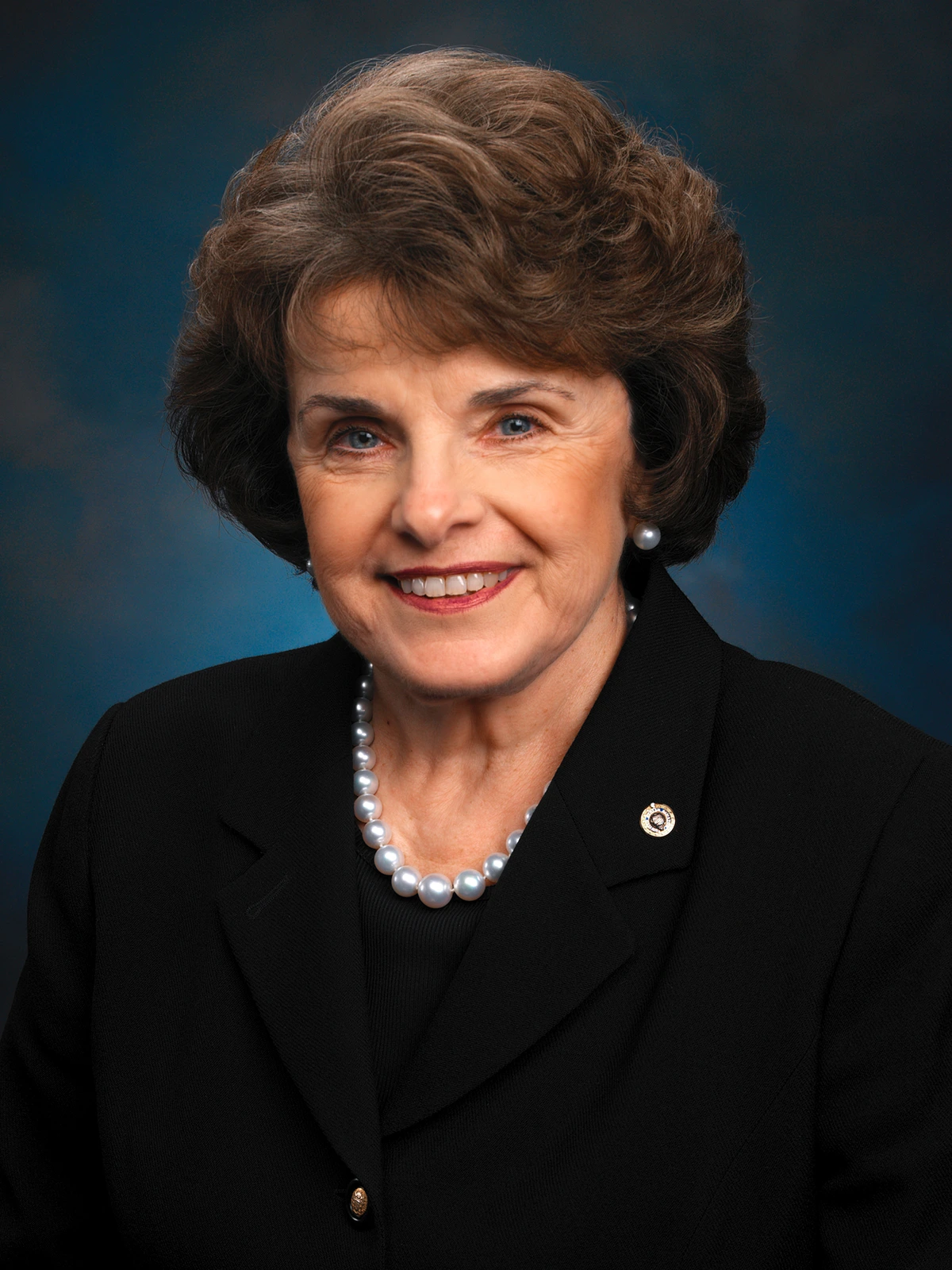
About
Dianne Feinstein
Politician
Dianne Feinstein, a name synonymous with political longevity, passed away in September 2023 at the age of 90. This marked the end of a remarkable career that began in the wake of tragedy. Following the assassinations of Harvey Milk and George Moscone, she became San Francisco's first female mayor. Feinstein's journey through nearly five decades in politics was not just a testament to her resilience but also a reflection of the complex relationship between age and political power. As we delve into the factors surrounding her mortality, we will explore age demographics, profession-related risks, lifestyle choices, and historical comparisons that paint a picture of her life and untimely death. With a risk score of 100, she was a living reminder of the debates surrounding age limits in Congress and the broader implications for the political landscape.
To understand Feinstein’s mortality, we first need to consider the age and demographic factors that play a crucial role in longevity. At 90, she was part of a demographic that is increasingly becoming more common in the political arena, though the statistics are sobering. According to the World Health Organization, the average life expectancy for women in the United States is around 81 years. This means that Feinstein had already surpassed this benchmark by nearly a decade. However, life expectancy is not just about reaching a certain age; it also involves the quality of life in those later years. As individuals age, they often face an increased risk of chronic diseases, cognitive decline, and other health issues. In Feinstein’s case, her advanced age was compounded by public concerns regarding her health and cognitive abilities, leading to discussions on whether age should be a determining factor in political leadership.
When examining profession-related risk factors, Feinstein's career as a politician presents a unique case. The world of politics is not just about making laws; it is also a high-stress environment that can take a toll on mental and physical health. Politicians often face long hours, constant scrutiny, and the pressure of public opinion, all of which can lead to burnout. Additionally, the political landscape is fraught with its own set of hazards, including the risk of violence, which has historically been significant for politicians, especially those who have taken bold stances on controversial issues. Feinstein, in particular, was a target due to her pro-gun control stance and her involvement in high-profile legislation. The stress of such a career can accelerate health decline, especially in older individuals, making Feinstein's long tenure in a demanding profession a double-edged sword.
Lifestyle choices also play a pivotal role in determining longevity, and Feinstein’s public persona offers some insights into her habits. While specific details about her personal lifestyle may not be widely known, her role as a public figure often required her to maintain a certain level of health and vitality. It is commonly acknowledged that politicians often juggle demanding schedules, which can lead to unhealthy eating habits, lack of exercise, and insufficient sleep. However, Feinstein was known for her dedication to her work, often putting her responsibilities ahead of personal well-being. This commitment, while admirable, can also lead to neglecting one’s health, especially as one ages. Furthermore, the pressures of public life can lead to stress-related health issues, which may have contributed to her declining health in her later years.
To contextualize Feinstein's situation, we can look at historical comparisons of other politicians and public figures who faced similar challenges. For instance, John McCain, who continued to serve in the Senate despite battling cancer, exemplified the struggle between public duty and personal health. His passing at the age of 81 sparked discussions about the expectations placed on aging politicians. Similarly, Ruth Bader Ginsburg, who served on the Supreme Court until her death at 87, faced scrutiny regarding her health and ability to serve effectively. These cases highlight a recurring theme in politics: the tension between age and capability, raising questions about whether age limits should be imposed to ensure that leaders are fit to serve.
As we consider current health indicators, Feinstein's recent public appearances and statements raised significant concerns among her constituents and colleagues. Reports of her cognitive decline were not just rumors; they were substantiated by observations from her peers and the media. These factors played a crucial role in the discussions about her fitness for office, with many advocating for younger leadership. The fact that she held her Senate seat until her passing speaks volumes about her determination but also raises questions about the implications of such endurance in the face of declining health.
In conclusion, while the analysis of Dianne Feinstein's mortality factors is steeped in morbid curiosity, it also serves as a reminder of the complexities surrounding age and leadership. The interplay of demographic statistics, profession-related risks, lifestyle choices, and historical precedents paints a nuanced picture of a woman who was not just a political figure but also a symbol of resilience in the face of adversity. As we reflect on her legacy, we must also consider the broader implications for future generations of leaders. The discussions surrounding age limits in Congress have never been more relevant, and Feinstein's life and death compel us to think critically about the intersection of age, health, and the responsibilities of public service. In the end, her passing is a stark reminder that while some politicians seem to serve for life, mortality is the ultimate equalizer, reminding us all that no one is immune to its grasp.
The Broader Implications of Age in Politics
As we analyze the life and death of Dianne Feinstein, it is essential to consider the broader implications of age in politics. The debate surrounding age limits in Congress is gaining traction, especially as the average age of lawmakers continues to rise. Critics argue that older politicians may lack the energy and adaptability required to address the rapidly changing political landscape. On the other hand, supporters of seasoned politicians contend that experience is invaluable and that wisdom gained over decades can lead to better decision-making.
The question remains: should there be an age limit for politicians? Advocates for age limits argue that a fresh perspective is necessary for effective governance, while opponents believe that age should not be a barrier to serving the public. This ongoing debate highlights the complexities of leadership in a democratic society, where the balance between experience and vitality is crucial.
In Feinstein's case, her long tenure and the challenges she faced as an aging politician underscore the need for a thoughtful examination of these issues. As we move forward, it is vital for political parties and voters to engage in conversations about the qualifications and capabilities of their leaders, regardless of age. Ultimately, the legacy of Dianne Feinstein serves as a reminder that while age may bring wisdom, it also necessitates a careful consideration of health, capability, and the future of political representation.