
The Unyielding Monarch: Queen Elizabeth II's Legacy
Exploring the Life and Impact of a Historic Reign
About
Queen Elizabeth II
Monarch
The Unyielding Monarch: Queen Elizabeth II's Legacy
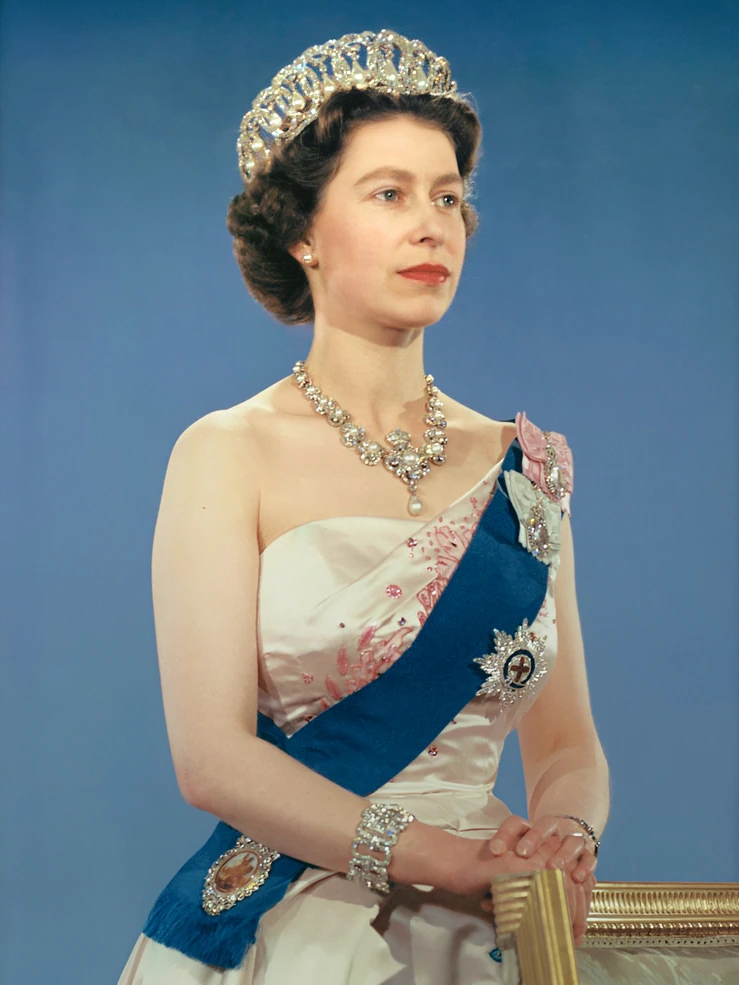
Queen Elizabeth II, the longest-reigning monarch in British history, is a name that resonates across the globe. With a life steeped in tradition yet punctuated by modernity, she embodies the essence of resilience and dedication. Born into a world of privilege, her journey from a young girl living in a royal household to the queen of a nation is filled with fascinating twists and turns. But beyond the tiara and the royal robes lies a woman who has navigated the complexities of duty, family, and public service in a rapidly changing world. As she approaches her 97th birthday, the question on everyone’s mind is: how does one remain relevant in a world that constantly demands adaptation? This exploration into her life will unveil the layers behind the crown, highlighting not just her accomplishments but also the challenges she has faced along the way.
Early Life and Unexpected Ascension
Born on April 21, 1926, Elizabeth Alexandra Mary Windsor entered the world at 17 Bruton Street, London, as the first child of the Duke and Duchess of York, who later became King George VI and Queen Elizabeth. Her early life was a study in contrasts, from the lavish lifestyle of the royal family to the more austere environment of the British monarchy during the tumultuous years of World War II. The future queen was not born into the immediate line of succession; her father was the second son of King George V, which meant that little Elizabeth was not expected to take the throne. However, the abdication crisis of 1936, when her uncle King Edward VIII famously stepped down, thrust her father into the role of king and changed Elizabeth’s destiny forever.
Elizabeth's childhood was marked by a sense of duty and responsibility. She received a private education, focusing on history, languages, and music, which laid the groundwork for her future role as monarch. The young princess was known for her dedication to her family, particularly her bond with her younger sister, Princess Margaret. Their close relationship would later become a point of public fascination. As World War II raged, Elizabeth took on more responsibilities, including serving in the Auxiliary Territorial Service, where she trained as a driver and mechanic, a commitment to service that foreshadowed her future reign.
A Remarkable Reign
Ascending to the throne at the age of 25 following her father’s untimely death in 1952, Queen Elizabeth II's reign has been nothing short of remarkable. She became the first British monarch to send an email in 1976, embracing technology in a way that few of her predecessors had. Over the decades, she has celebrated numerous milestones, including the Silver, Golden, and Platinum Jubilees, marking 25, 50, and 70 years on the throne respectively. Her ability to adapt to changing times while maintaining the dignity and tradition of the monarchy is a testament to her strength and character.
Throughout her reign, Queen Elizabeth II has met with every US president during her time in office, solidifying her role as not just a British monarch but also a global figure. She has traveled extensively, representing the UK on state visits and attending important international events, thereby strengthening diplomatic relationships across the world. Her commitment to charity work is also noteworthy; she has been involved with over 600 organizations, focusing on education, healthcare, and animal welfare. The Queen’s dedication to public service has earned her numerous accolades, including honorary degrees and awards from various countries, highlighting her influence far beyond the borders of the UK.
Challenges and Controversies
However, her reign has not been without its controversies and challenges. From the tumultuous marriage of her children, particularly Prince Charles and Princess Diana, to the more recent upheavals involving Prince Harry and Meghan Markle, the royal family has faced significant public scrutiny. The Queen's response to these events has often been characterized by a cautious approach, balancing her role as a mother and grandmother with her responsibilities as the head of state. One of the most notable moments came in 1992, a year she referred to as her "annus horribilis," which saw the separation of three of her children and the fire at Windsor Castle. Yet, she emerged from these challenges with resilience, demonstrating her ability to adapt and endure.
A Symbol of Stability
As of now, Queen Elizabeth II is a figure of stability in a world that can often feel chaotic. At 96 years old, she has significantly reduced her public engagements, opting for a more private lifestyle while still fulfilling key ceremonial roles. Recent appearances have been more selective, reflecting her desire to remain active while also acknowledging her age. Despite the challenges posed by the pandemic, she has managed to maintain a presence, addressing the nation on significant occasions and providing a sense of continuity during uncertain times. Her recent public appearances, especially during the Platinum Jubilee celebrations, showcased her unwavering commitment to her royal duties while also allowing the public a glimpse into her more personal side.
Navigating Mortality and Legacy
As Queen Elizabeth II continues her journey, it is essential to recognize the importance of mortality awareness in her life. Sitting at the intersection of tradition and modernity, she has faced the reality of aging with grace. Her health has been a topic of discussion, drawing attention to the lifestyle choices that contribute to longevity. The Queen has maintained a routine that includes daily walks and a balanced diet, all while remaining active in her royal duties. This awareness not only reflects her commitment to her role but also serves as an inspiration for many who admire her tenacity.
Conclusion: A Lasting Impact
In conclusion, Queen Elizabeth II stands as a remarkable figure in history, a symbol of continuity in a world that is ever-changing. As she navigates the later years of her life, the legacy she has built as a monarch will undoubtedly continue to influence future generations. Whether through her steadfast dedication to duty, her ability to adapt to the times, or her unwavering commitment to service, her life story remains a captivating narrative of resilience and grace. The world watches as her journey continues, with eager anticipation of what the future holds for this iconic monarch. Her life is not just a chronicle of events but a testament to the enduring power of duty, compassion, and the human spirit.
As we reflect on her legacy, it is clear that Queen Elizabeth II's impact will be felt for years to come, inspiring future leaders and citizens alike to strive for excellence in their own lives. Her story is a reminder that true leadership often lies in the quiet strength of character and the unwavering commitment to serve others.