The Enigmatic Life of Roman Polanski: Shadows and Cinema
Exploring the Complex Legacy of a Master Filmmaker
About
Roman Polanski
Polish
The Enigmatic Life of Roman Polanski: Shadows and Cinema
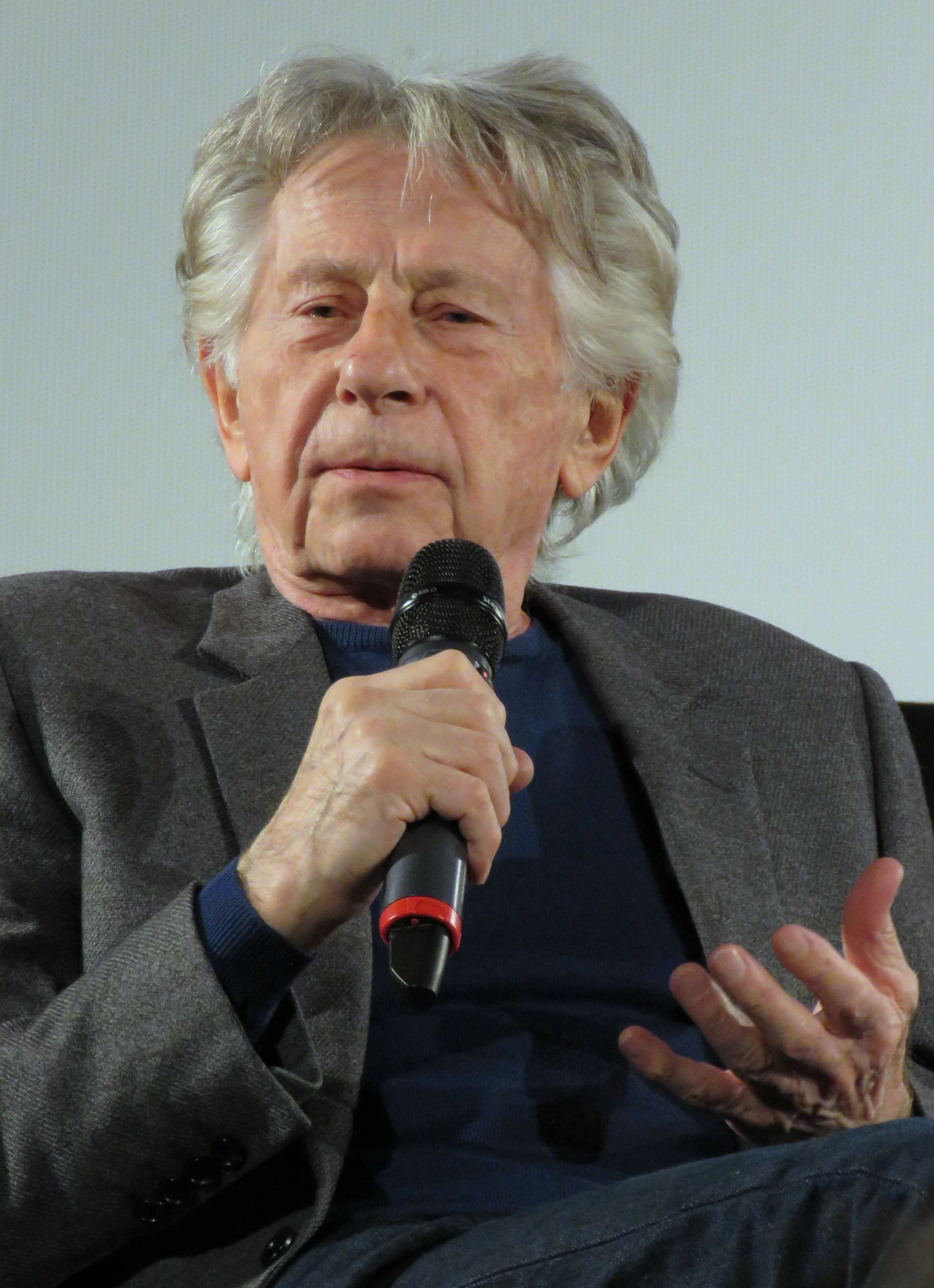
Roman Polanski is a name that evokes a wide range of emotions, from admiration to controversy. At 92, this Polish-French filmmaker continues to be a fascinating figure in the world of cinema, serving as a living testament to the complex interplay of genius and scandal. Renowned for classics such as Rosemary's Baby, Chinatown, and The Pianist, Polanski has spent over six decades captivating audiences while occasionally dodging the long arm of the law. His life story reads like one of the dark narratives he has masterfully woven on screen, filled with tension, loss, and a relentless pursuit of artistic expression. In a world where many have come and gone, Polanski stands as a haunting reminder of both the light and shadow that can coexist within a single life.
Early Life and Influences
Born in Paris on August 18, 1933, to Polish-Jewish parents, Polanski's early life was marked by the horrors of World War II. His father, a successful businessman, and his mother, a homemaker, faced the brutal realities of the Holocaust. When he was just a child, the family was torn apart; his mother was sent to Auschwitz, while he survived in hiding, a harrowing experience that would profoundly shape his worldview. After the war, he reunited with his father and moved to Poland, where he began his journey into the world of film. Polanski's childhood experiences of loss and survival deeply influenced his storytelling, often reflecting themes of paranoia and the fragility of human existence.
Polanski's career began in earnest when he attended the National Film School in Łódź, Poland, where he developed his unique style characterized by psychological depth and a flair for the macabre. His early works, like Knife in the Water and The Tenant, showcased his innovative approach to storytelling, earning him critical acclaim and setting the stage for his international breakthrough. The turning point came in 1968 with the release of Rosemary's Baby, a horror film that not only terrified audiences but also solidified Polanski's status as a master filmmaker. The film's exploration of paranoia, motherhood, and the occult resonated with viewers, leading to significant box office success and multiple award nominations.
Rise to Prominence
Chinatown followed in 1974, further establishing Polanski as a force in Hollywood. This neo-noir mystery film, featuring Jack Nicholson and Faye Dunaway, is often regarded as one of the greatest films of all time. Polanski's ability to create a tense atmosphere and complex characters captivated critics and audiences alike, earning him an Academy Award for Best Original Screenplay. However, it was his 2002 film The Pianist, based on the life of Jewish-Polish pianist Władysław Szpilman, that brought him his long-awaited Oscar for Best Director, solidifying his place in cinematic history. Over the years, Polanski has received numerous accolades, including the Palme d'Or at the Cannes Film Festival, proving that his talent is undeniable, even amidst the controversies that surround him.
Controversies and Legal Battles
Yet, Polanski's life has not been without its share of turmoil and scandal. In 1977, he was arrested for drugging and raping a 13-year-old girl, a crime that led to his flight from the United States to avoid sentencing. This pivotal moment marked a significant turn in his life and career, as he became embroiled in a legal battle that continues to this day. His decision to remain in Europe, living primarily in France, has kept him in the public eye for reasons other than his film work. Despite the allegations and legal challenges, Polanski has maintained a devoted following and continues to create films, demonstrating his resilience in the face of personal and professional adversity.
Recent Works and Current Projects
Now, at the age of 92, Roman Polanski remains active in the film industry, with recent projects that have sparked interest and debate. His latest film, The Palace, premiered in 2023 and delves into the absurdities of the elite during a lavish New Year's Eve party in 1999. The film has received mixed reviews, but it is a testament to Polanski's undying passion for storytelling and his ability to provoke thought and discussion. While many of his contemporaries have faded into obscurity, Polanski continues to navigate the complexities of his life, balancing his artistic endeavors with the shadows of his past.
Reflections on Mortality and Legacy
As for his health, Polanski's advanced age brings with it the inevitable reflections on mortality. He has navigated a life filled with extraordinary highs and devastating lows, which has likely instilled in him an acute awareness of life's fragility. In interviews, he has expressed a desire to continue working as long as he is able, underscoring a belief that the creative spirit can transcend the physical limitations of age. His lifestyle, while shrouded in secrecy, suggests a man who remains intellectually engaged and passionate about his craft, even as the years pass by.
Looking ahead, it is clear that Roman Polanski's legacy will be a subject of discussion for generations to come. His films have left an indelible mark on the landscape of cinema, showcasing his ability to weave intricate tales that both terrify and compel audiences. As he continues to create, one cannot help but wonder how his life story will evolve and what themes will emerge from his experiences. Will he create one last masterpiece that encapsulates his tumultuous journey? Only time will tell, but one thing remains certain: Roman Polanski will forever be a figure who embodies the complex relationship between art and life, genius and controversy, light and shadow.
Conclusion
In conclusion, Roman Polanski's life and career are a study in contrasts. His artistic brilliance is matched only by the controversies that have shadowed him throughout his life. As we reflect on his contributions to cinema, we must also grapple with the moral complexities of his legacy. Whether one views him as a genius or a pariah, there is no denying that his work has shaped the film industry in profound ways. As he continues to create, we are left to ponder the intricate dance between creativity and consequence, a theme that resonates deeply within Polanski's own narrative.