Pope Francis: The Mortality Odds of the Charismatic Pontiff
Exploring the health and longevity of the Vatican's beloved leader
About
Pope Francis
Pope Francis: The Mortality Odds of the Charismatic Pontiff
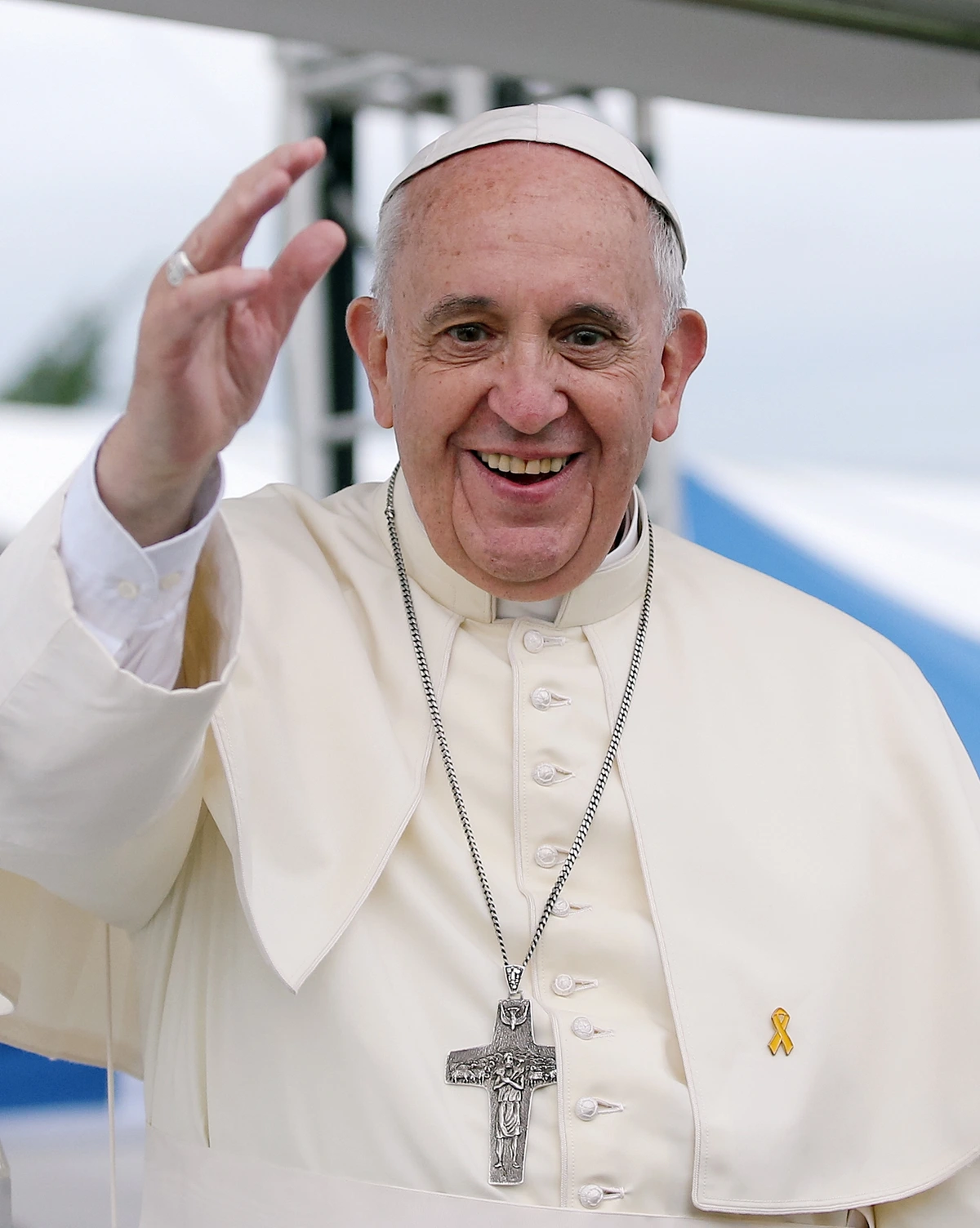
Pope Francis, the 88-year-old pontiff and the first Jesuit to ever don the papal tiara, has become a global figure of intrigue and inspiration since his election in 2013. Known for his progressive views and down-to-earth demeanor, he has not only reshaped the Catholic Church's image but has also become a focal point of discussions around faith, morality, and, yes, mortality. As he continues to navigate the complexities of leading a billion-plus followers, one can't help but wonder: how does his age and lifestyle affect his longevity? In this analysis, we will take a closer look at the various factors that contribute to the mortality predictions surrounding Pope Francis, all while keeping a playful tone about the serious subject of life and death.
The Numbers Behind Longevity
First, let’s dive into the numbers. At 88 years old, Pope Francis is well above the average life expectancy for men in Italy, which hovers around 81 years. However, he is not just any man; he’s the leader of the Catholic Church and a figure who has been under the public eye for nearly a decade. According to statistics, the average life expectancy for a male in the United States is approximately 76 years, while in Argentina, where Francis was born, it is around 77 years. These numbers indicate that he has already surpassed the average lifespan in his home country, but being a pontiff comes with its own set of unique stressors and health concerns.
When discussing mortality, one must consider the demographic factors at play. The Vatican is not just a religious institution; it is also a microcosm of society. Like any organization, the age of its leadership can be a double-edged sword. Older leaders often bring wisdom and experience, but they also face health challenges that can impact their effectiveness. In the case of Pope Francis, his age places him in a high-risk category for various health issues, particularly cardiovascular concerns, which are common among older adults. Additionally, with a risk score of 100, one could argue that he is walking a tightrope between divine providence and earthly frailty.
The Occupational Hazards of the Papacy
Now, let’s not forget the occupational hazards that come with being the Pope. While you might think that leading a global religious organization would be a cushy gig, the reality is that the papacy is fraught with stress. From managing international politics to addressing scandals within the Church, the pressures can be overwhelming. The Vatican is not just a place of worship; it’s a complex institution with its fair share of drama, and that can take a toll on one’s health. Stress is a well-known factor in diminishing longevity, and for someone like Pope Francis, who has taken a progressive stance in a traditionally conservative environment, the weight of expectations can be particularly heavy.
Moreover, the lifestyle choices of Pope Francis play a crucial role in his health and longevity. Known for his humble lifestyle, he famously eschews the luxuries that many might expect from someone in his position. He rides around in a modest vehicle, lives in a simple apartment, and often shares meals with the less fortunate. While these habits reflect a commendable character, they also indicate a life of service that could contribute to stress. However, one could argue that his connection with the people and his commitment to social justice provide him with a sense of purpose that many might find fulfilling. It’s a classic case of “you can’t take it with you,” but the question remains: does a life of service shorten one’s lifespan due to stress, or does it enhance it through a sense of purpose?
Historical Comparisons: Lessons from the Past
When looking at historical comparisons, it’s fascinating to consider other influential figures who have led the Catholic Church into their twilight years. Pope John Paul II, for instance, served until the age of 84, despite facing significant health challenges, including Parkinson's disease. His ability to connect with people, even in his frail state, became a hallmark of his papacy. Similarly, Pope Benedict XVI, who stepped down at 85, faced his own health issues. Both popes demonstrated that age does not necessarily equate to ineffectiveness, but their experiences also highlight the physical limits that come with aging. In a way, Pope Francis is carving his own path, but he is not without the shadows of his predecessors looming behind him.
Current Health Indicators and Public Perception
As we turn to current health indicators, it’s hard to ignore the recent news surrounding Pope Francis. His appearances in a wheelchair and reports of health scares have raised eyebrows and concerns among the faithful and the public alike. While he continues to carry out his papal duties, the signs of aging are evident, reminding us that even the most revered figures are not immune to the ravages of time. At 88, the balance between fulfilling his papal responsibilities and taking care of his health is a delicate dance that he must navigate daily.
The Future of Pope Francis: A Balancing Act
Looking ahead, the future of Pope Francis remains a topic of speculation and concern. His ability to continue leading the Catholic Church will depend not only on his health but also on how he manages the immense pressures of his role. The Vatican has a history of adapting to the needs of its leaders, and it is likely that measures will be taken to ensure that Pope Francis can maintain his health while fulfilling his duties. Whether through delegating responsibilities or seeking medical assistance, the Vatican is adept at navigating the complexities of papal leadership.
In conclusion, the mortality factors surrounding Pope Francis are complex and multifaceted. From his age and demographic context to the unique pressures of his profession and lifestyle choices, each element plays a role in shaping our understanding of his longevity. While humor and light-heartedness can help us engage with the often morbid topic of mortality, it’s essential to remember that behind the jokes lies a very real human experience. As he continues to inspire millions around the globe, one can only hope that he remains in good health for years to come. After all, the world could always use a little more of his charm and progressive vision. Until then, we will keep our eyes on the Vatican, waiting to see how this remarkable man continues to defy the odds, all while making us chuckle at the irony of life, death, and everything in between.