Oliver Reed: The Wild Man of British Cinema
Exploring the Life and Legacy of a Cinematic Icon
About
Oliver Reed
Actor
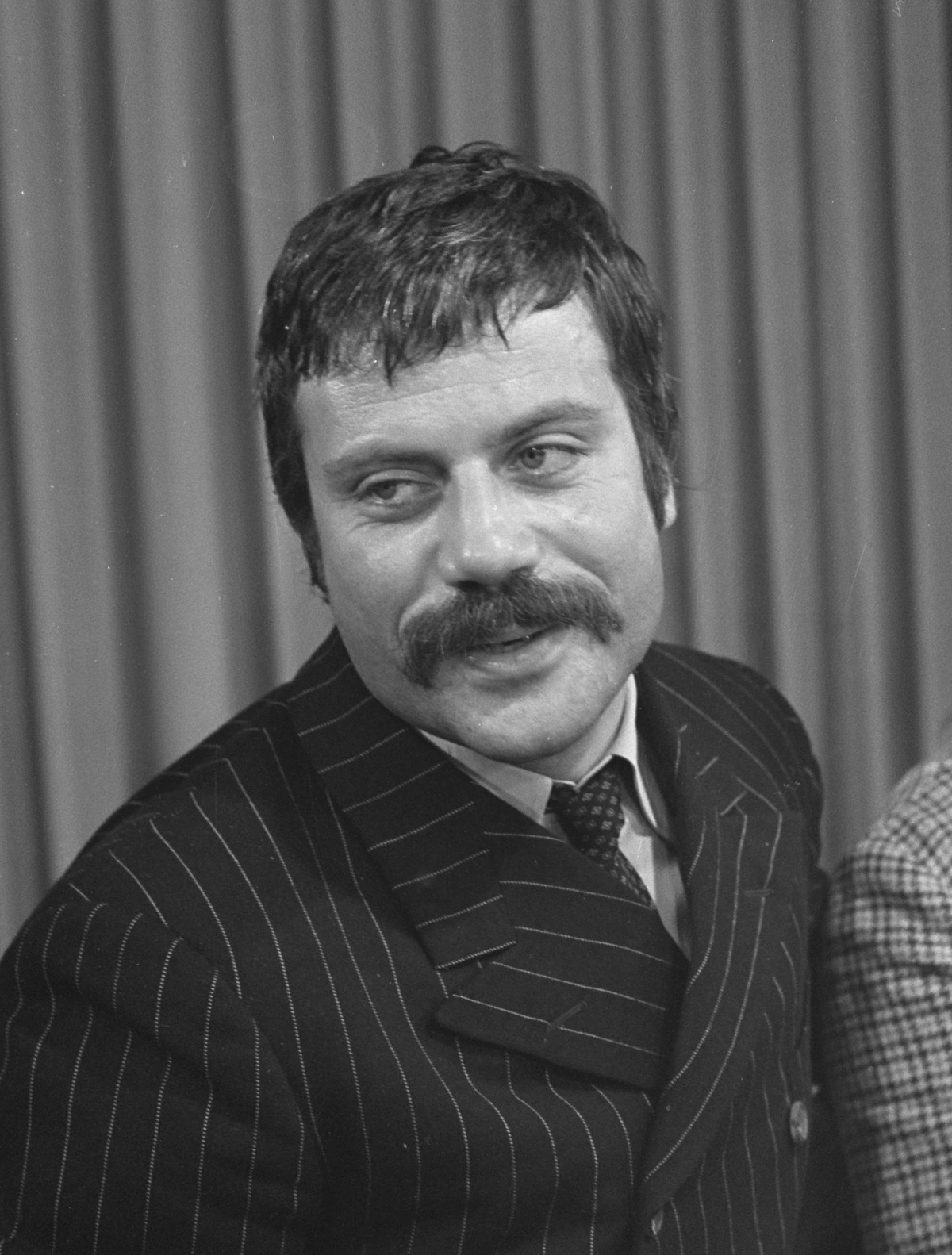
When you think of the quintessential British hellraiser, the name Oliver Reed inevitably springs to mind. With a career spanning over four decades, Reed wasn't just an actor; he was a force of nature, a tempest in a teacup, and perhaps the only man who could arm-wrestle a stranger in a pub while simultaneously downing a pint. Known for his roles in Hammer Horror films and for his magnetic screen presence, Reed's life was as flamboyant and unpredictable as the characters he portrayed. As we delve into the life of this legendary actor, prepare yourself for a wild ride filled with extraordinary achievements, scandalous escapades, and an enduring legacy that continues to capture our morbid curiosity.
Born in 1938 in the bustling city of Wimbledon, London, Oliver Reed was the son of a commercial artist and a mother who dabbled in acting. His early life was anything but conventional. Raised in a family that appreciated the arts, Reed was exposed to the world of performance at a young age. However, it was not an easy upbringing. His father was often absent due to work commitments, and Reed's childhood was marked by a sense of longing for paternal approval. This complicated relationship would shape the man he would become, one driven to seek validation through both his professional and personal life.
As a youth, Reed was not the model student. His rebellious streak led to multiple expulsions from various schools, but this only fueled his passion for acting. After a brief stint in the Royal Air Force, Reed finally found his calling in the theater. He trained at the prestigious Royal Academy of Dramatic Art (RADA) before making his television debut in the 1950s, quickly garnering attention for his raw talent and undeniable charisma. It wasn't long before he transitioned to film, where he truly began to shine.
Reed's breakthrough came in the 1960s with roles in films like "The Curse of the Werewolf" and "The Damned," both of which showcased his ability to embody complex, often tortured characters. However, it was his role in the 1971 film "The Devils" that solidified his status as a leading man. Directed by Ken Russell, the film was controversial for its explicit content and religious themes, but Reed's performance was nothing short of mesmerizing. He garnered critical acclaim and solidified his reputation as one of Britain's most talented and unpredictable actors.
Throughout the 1970s, Reed became a staple in the world of Hammer Horror films, often playing characters that mirrored his off-screen persona—wild, unpredictable, and undeniably magnetic. His performances in films like "The Three Musketeers" and "The Adventures of Barry Lyndon" further cemented his status as a cinematic heavyweight. However, it was not just his acting prowess that garnered attention; Reed was also notorious for his excessive drinking and outrageous behavior. He was known for drinking entire film crews under the table and for his legendary bar fights. This larger-than-life persona made him a tabloid favorite and a source of endless fascination.
Reed's personal life was as tumultuous as his career. He had a number of high-profile relationships, including a long-term affair with actress Kate O'Mara, but perhaps the most notable was his marriage to actress and writer, Kate Reed. Their tumultuous relationship was marked by passionate love as well as fiery arguments, a reflection of the man himself. Reed's life was punctuated by controversies, including a stint in rehabilitation, which he publicly embraced, leading to a renewed focus on his craft. He became more introspective, channeling his personal struggles into his performances, with many believing that this transformation made him an even more compelling actor.
As the years progressed, Reed continued to work in film and television, although the roles began to dwindle. He appeared in projects like "Gladiator," where his portrayal of the character Proximo was both memorable and poignant. Despite his declining health, Reed remained fiercely passionate about his work, showcasing a dedication that few could match. Tragically, Reed’s life came to an abrupt end in 1999 at the age of 61, after a night of heavy drinking on the set of a film in Malta. His passing shocked the entertainment world and left a void that has yet to be filled.
In the years following his death, Reed's legacy has only grown. His contributions to cinema are still celebrated, with many modern actors citing him as an influence. Documentaries and retrospectives have examined his life and career, highlighting not only his remarkable performances but also the complex man behind them. Reed was not just a wild man; he was a gifted artist whose struggles with addiction and fame resonate with many today.
As for the current state of affairs, Oliver Reed's legacy endures in various forms. The film industry often revisits his iconic roles, and fans continue to share stories of his outrageous escapades. Reed's life serves as a cautionary tale about the excesses of fame, but also as a reminder of the brilliance that can emerge from chaos. With ongoing discussions about mental health and addiction in the entertainment industry, Reed's story is more relevant than ever.
Reflecting on Reed’s lifestyle, it is evident that living hard has its consequences. His battles with addiction serve as a stark reminder of the fragility of life, even for those who seem invincible. As we look back on his life, we can appreciate the raw talent he brought to the screen while acknowledging the toll that such a lifestyle can take. The hardiest of livers have their limits, and Reed's life is a testament to that truth.
In conclusion, Oliver Reed remains an unforgettable figure in the annals of cinema. His larger-than-life persona, coupled with his extraordinary talent, ensures that he will always be remembered. As we continue to explore the lives of those who have walked the line between brilliance and excess, Reed's legacy prompts us to consider the fine balance between living life to the fullest and the inevitable consequences that can follow. His story is a darkly humorous reminder that while we may celebrate the wild, we must also tread carefully, as the wild can sometimes lead us to the precipice of mortality.
As we reflect on Reed's impact, it is essential to recognize that his legacy extends beyond his films. He challenged the norms of masculinity in cinema, presenting a raw and unfiltered version of manhood that resonated with audiences. His ability to portray vulnerability alongside brute strength made him a unique figure in the film industry. Today, as we navigate the complexities of fame and addiction, Oliver Reed's story serves as both a cautionary tale and a source of inspiration. His unforgettable performances continue to captivate audiences, ensuring that the wild man of British cinema will never be forgotten.