
Cormac McCarthy: The Bleak Prophet of American Literature
Exploring the Dark Depths of McCarthy's Literary Genius
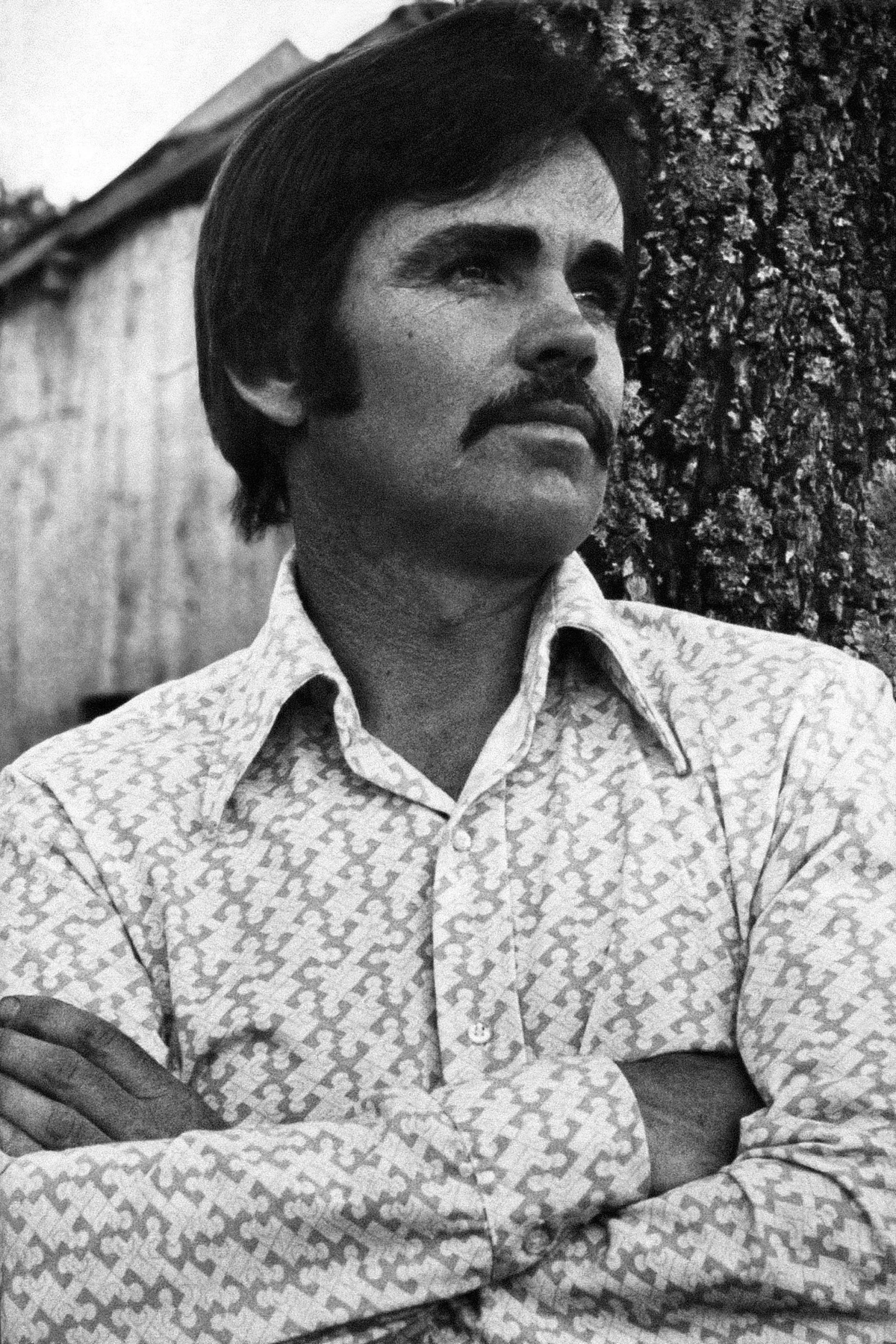
About
Cormac McCarthy
Author
Cormac McCarthy is not just an author; he is a haunting echo of the darkest corners of the human experience. As we peer into the abyss of his mind, we find a world where violence reigns supreme, death is an omnipresent specter, and survival is an unending struggle. It is little wonder that the literary world reveres this 89-year-old titan as a prophet of bleakness. His works, including Blood Meridian, No Country for Old Men, and The Road, do more than tell stories; they serve as existential explorations that compel us to confront our own mortality. McCarthy's prose, devoid of quotation marks and rich in atmospheric detail, forces us to grapple with the uncomfortable truths of existence, making us question if we are merely players in a dark play penned by fate itself.
Born on July 20, 1933, in Providence, Rhode Island, Cormac McCarthy's early life was steeped in a mix of privilege and restlessness. His father was a lawyer who later became a judge, and his mother was a schoolteacher, both of whom instilled in him a love for literature. The family moved to Knoxville, Tennessee, when McCarthy was still a child, and it was in this Southern backdrop that he began to cultivate his distinctive voice. Growing up during the Great Depression, he witnessed the struggle and resilience of those around him, experiences that would later inform his writing.
As a young man, McCarthy's path diverged from that of his contemporaries. Instead of pursuing a traditional college experience, he attended the University of Tennessee for a brief period before dropping out. He took to the road, living in various states and immersing himself in the landscapes that would soon come alive on the pages of his novels. The rugged terrains of the American Southwest and the gritty realities of life in the South became not just settings, but characters in their own right, reflecting the stark, unvarnished truths that McCarthy has made his life's work.
McCarthy's literary career took off with the publication of The Orchard Keeper in 1965, a novel that won acclaim but did not make him an overnight sensation. It wasn't until the release of Blood Meridian in 1985 that he cemented his status as a literary giant. Often hailed as one of the greatest American novels, Blood Meridian is a brutal tale set in the mid-19th century that examines the violent nature of humanity. Critics were polarized by its graphic content, but its unflinching portrayal of man's capacity for violence earned it a dedicated following and, eventually, a place in the canon of American literature.
In 1992, McCarthy published All the Pretty Horses, the first book in his Border Trilogy, which not only garnered the National Book Award but also the attention of Hollywood. The subsequent film adaptation, though met with mixed reviews, further solidified McCarthy's status in popular culture. He continued to push boundaries with No Country for Old Men in 2005, a novel that won the Pulitzer Prize and was adapted into a critically acclaimed film by the Coen brothers. The chilling narrative, centered around a drug deal gone wrong and the relentless pursuit of a hitman, resonates with the themes of fate and morality that permeate McCarthy's work.
Perhaps most famously, The Road, published in 2006, won the Pulitzer Prize for Fiction and captivated readers with its harrowing depiction of a father and son navigating a post-apocalyptic landscape. The novel's exploration of love in the face of despair struck a chord with audiences, leading to its adaptation into a film starring Viggo Mortensen. This work exemplifies McCarthy's unique ability to blend the intimate with the catastrophic, making the personal journey resonate against the backdrop of an indifferent universe.
Despite his monumental success, McCarthy's life has not been devoid of controversy. He has often been characterized as a recluse, granting few interviews and avoiding the spotlight. His personal relationships have been complex, marked by multiple marriages and a deep connection to the Southwest that has often fueled speculation about his personal life and the events he has lived through. In 1981, he married his second wife, Anne DeLisle, but the marriage ended in divorce. He later had a son, John, whose upbringing has remained largely private. The enigmatic nature of McCarthy's life fuels curiosity, and many fans and scholars have pondered the extent to which his experiences have influenced his writing.
As of late 2023, McCarthy remains an elusive figure. While he has not published anything new in recent years, his earlier works continue to be reexamined, showcasing the timelessness of his themes. Critics and fans alike speculate that McCarthy might still have more stories to tell. His recent public appearances are few and far between, with the author often opting for solitude over the limelight. Nonetheless, he continues to be an enduring figure in literary discussions, and his works are constantly revisited by new generations of readers.
At 89, McCarthy's mortality has become an intrinsic part of the conversation surrounding his legacy. His works delve into themes of death and the human condition, prompting reflections on our own lives and the inevitable end we all face. McCarthy has lived a life that embodies the very struggles he writes about, and while he maintains a low profile, the world is acutely aware that time is a finite resource for all, even for a literary titan like him.
As we consider Cormac McCarthy's contributions, it is clear that his exploration of darkness has illuminated profound truths about existence. His unique perspective has not only shaped the landscape of American literature but has also forced us to confront the uncomfortable realities of life. As we look to the future, one can only hope that McCarthy's pen is not yet finished, and that there are still tales of survival, dread, and the human experience waiting to be unearthed. After all, in a world that often feels chaotic, McCarthy remains a guiding star, reminding us of the beauty and horror that intertwine in our fleeting journey through life.
The Enduring Impact of McCarthy's Work
Cormac McCarthy's influence extends beyond the pages of his novels. His writing style, characterized by sparse punctuation and vivid imagery, has inspired countless authors and filmmakers. The rawness of his narratives compels readers to engage deeply with the text, often leaving them with lingering questions about morality, existence, and the human condition.
Moreover, McCarthy's works have sparked discussions about the role of violence in literature. His unflinching portrayal of brutality challenges readers to confront uncomfortable truths about society and humanity. In an age where many narratives seek to sanitize or romanticize violence, McCarthy's approach serves as a stark reminder of the darker aspects of our nature.
In conclusion, Cormac McCarthy stands as a monumental figure in American literature, a master of weaving tales that explore the depths of despair and the resilience of the human spirit. His works resonate with readers not only for their stark realism but also for their philosophical depth. As we navigate our own lives, McCarthy's narratives encourage us to reflect on our choices, our relationships, and the inevitable fate that awaits us all. With each reading, we are reminded that in the face of darkness, there is an opportunity for understanding, empathy, and perhaps even hope.