Boris Yeltsin: The Tank Climber Who Transformed Russia
A look at the life and legacy of Russia's audacious leader
About
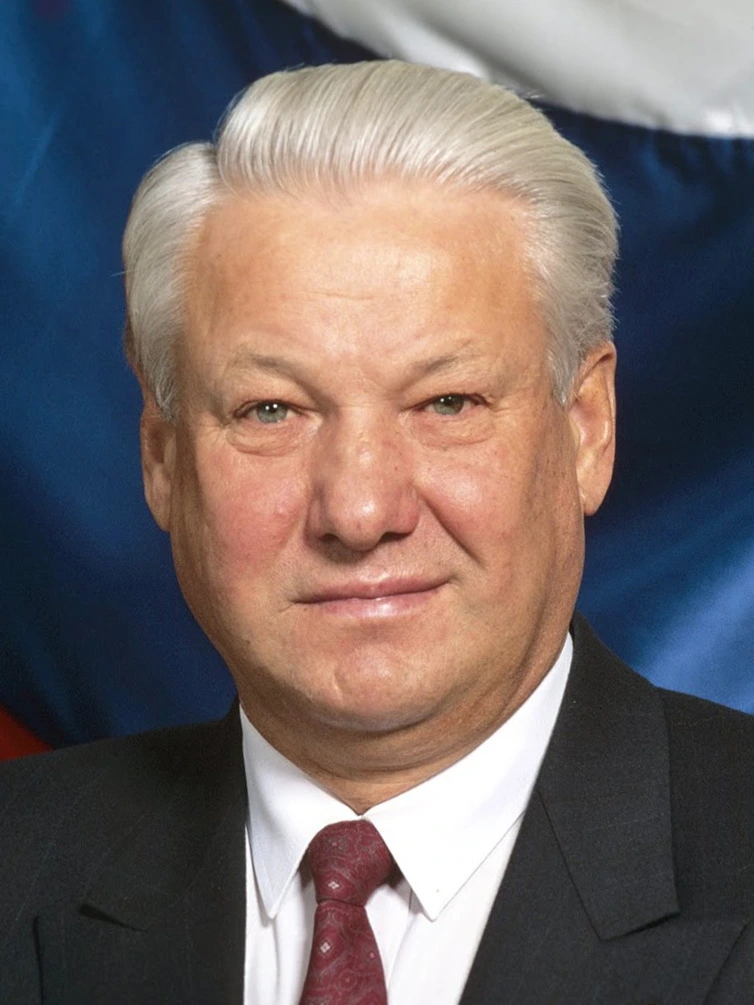
Boris Yeltsin
Russian politician
Boris Yeltsin: The Tank Climber Who Transformed Russia
In a world where political leaders often blend into the background, Boris Yeltsin emerged as a colossal figure, striding atop a tank during the 1991 coup attempt that threatened to drag Russia back into the shadows of communism. He wasn't just another politician; he was a symbol of defiance and change, a living embodiment of the tumultuous transition from the Soviet regime to a new, often chaotic, capitalist reality. With a vodka bottle as his unwitting companion, Yeltsin's life became a story of both monumental achievement and personal excess, marked by a legacy that oscillates between heroic and tragic. Now, at the age of 76, Yeltsin's health remains precarious, but his impact on Russia—and the world—continues to reverberate, inviting both admiration and morbid curiosity about what comes next for this larger-than-life figure.
Early Life and Political Ascent
Boris Nikolayevich Yeltsin was born on February 1, 1931, in the small village of Butka, located in the Ural Mountains of Russia. Raised in a modest family, his father was a peasant and a member of the Communist Party, while his mother worked as a housewife. Growing up during the tumultuous years of World War II, Yeltsin was no stranger to hardship. His childhood was steeped in the values of perseverance, a trait that would serve him well in his later political career. After graduating from the Ural State Technical University in 1955, he began working as a construction engineer and later joined the Communist Party.
Yeltsin's political career began to take shape in the late 1960s when he quickly ascended through the ranks of the party. By the 1980s, he was a prominent figure in Moscow, earning a reputation as a reformer who challenged the stagnation of the Soviet system. His outspoken criticism of the party's bureaucracy caught the attention of the higher-ups, leading to a series of political maneuvers that would eventually see him at the helm of Russian politics. In 1990, he was elected as the president of the Russian Soviet Federative Socialist Republic, the largest of the Soviet republics, setting the stage for his role in the dissolution of the Soviet Union.
The Coup and the Birth of a Legend
Yeltsin's tenure was marked by significant milestones that would forever alter the landscape of Russia. He is perhaps best known for his audacious decision to climb atop a tank on August 19, 1991, during the coup attempt aimed at overthrowing him. With the world watching, Yeltsin rallied the people, urging them to resist the coup leaders and defend democracy. This act of defiance not only solidified his status as a national hero but also marked a pivotal moment in the collapse of the Soviet regime. Under his leadership, Russia underwent radical reforms that transitioned the country from a centrally planned economy to a market economy, a process fraught with challenges, including inflation and widespread poverty.
Yeltsin's reforms also included the privatization of state-owned enterprises, which led to the emergence of a new class of oligarchs. These changes, while necessary for modernization, sparked controversies and were accompanied by significant social upheaval. The economic turmoil of the 1990s was a double-edged sword; while some prospered, many struggled, leading to a disillusionment with Yeltsin's vision of a capitalist Russia. His presidency wasn't without its critics, and he faced significant opposition, including a controversial military intervention in Chechnya that raised questions about human rights and the use of force.
The Unexpected Resignation
Another notable chapter in Yeltsin's life was his unexpected resignation on New Year's Eve 1999, an event that was as much a mic drop as it was a political maneuver. In a televised address, he declared that he was stepping down and handed over power to Vladimir Putin, a move that would change the trajectory of Russian politics for years to come. This moment encapsulated Yeltsin's complex legacy: a leader who both opened doors and, in some ways, paved the way for authoritarianism.
Since stepping down, Yeltsin has largely remained out of the public eye, enjoying a quieter life away from the political spotlight. He has written several books reflecting on his experiences, sharing insights into the challenges and triumphs of leading a nation in transition. However, as of late, health concerns have shadowed his otherwise peaceful retirement. At 76, Yeltsin is grappling with the consequences of a life lived on the edge. Reports indicate that his heart and liver have taken a beating, a not-so-subtle reminder that the party must eventually end, even for those who once danced with the devil.
Contemplating Mortality
As we peer into the current status of Boris Yeltsin, it is essential to acknowledge the fragility of life. The man who once stood defiantly atop a tank now contemplates his mortality, a reality that brings an unexpected depth to his legacy. While he has enjoyed relative privacy, the world remains intrigued by the potential of Yeltsin's health to shift the narrative once more. What will happen when the man who helped usher in a new era inevitably faces the final curtain? The morbid curiosity surrounding his health continues to grow, with many wondering how the story of this iconic figure will conclude.
In contemplating the mortality of Boris Yeltsin, we cannot help but reflect on the life lessons he has imparted. His journey from a humble village boy to the presidency of Russia illustrates the unpredictable nature of life and the legacies we leave behind. Yeltsin's story serves as a reminder that while the future is uncertain, the impact of our choices can reverberate through time. As he navigates the twilight of his life, we can only hope that his final acts will be as bold and transformative as those that defined his remarkable career.
The Legacy of a Complex Leader
In conclusion, Boris Yeltsin's legacy is a tapestry woven with threads of ambition, defiance, and vulnerability. As he faces the reality of his mortality, we are reminded that even the most audacious figures are not immune to the passage of time. His contributions to the world and the tumultuous journey of Russia remain etched in history, prompting us to reflect on the complexities of leadership and the human experience. What lies ahead for Yeltsin is uncertain, but one thing is clear: his story is far from over, and the world will be watching, if only with a morbid curiosity that keeps us questioning who will be the next to step into the tank of history.
Yeltsin's life reminds us that every leader carries the weight of history on their shoulders. As we continue to analyze his impact, we must also consider the broader implications of his policies and decisions. The echoes of his presidency resonate in today's political climate, urging us to remain vigilant and engaged in the ongoing narrative of democracy and governance. In a world that often feels chaotic and unpredictable, Yeltsin's story serves as a powerful reminder of the courage it takes to challenge the status quo and the enduring significance of standing up for one's beliefs.