Aretha Franklin: The Enduring Queen of Soul
Exploring the life and legacy of the iconic Aretha Franklin
About
Aretha Franklin
Singer
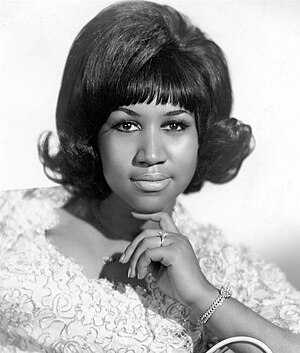
Aretha Franklin, a name synonymous with soul and power, has captivated audiences for over five decades. Dubbed the Queen of Soul, she has not only shaped the landscape of music but has also become a cultural icon whose influence stretches far beyond the stage. With a voice that could make even the most stoic listener feel something fierce, Aretha has been a beacon of strength and resilience. At 76 years old, she remains a formidable presence, commanding R-E-S-P-E-C-T in every sense of the word. Though her legendary pipes have been put through the wringer, they still possess the kind of power that could make angels reconsider their career choices. As we delve into her extraordinary life, we will explore the milestones that have defined her career, the controversies that have peppered her journey, and the legacy she continues to create. When she finally takes her final bow, rest assured that heaven's choir will receive one hell of an upgrade.
Born on March 25, 1942, in Memphis, Tennessee, Aretha Louise Franklin entered a world rich in music and spirituality. The daughter of a prominent Baptist minister, Rev. C. L. Franklin, and a talented pianist and vocalist, Barbara Franklin, Aretha was surrounded by song from a very young age. Her family moved to Detroit when she was a child, and it was there that she began to hone her incredible vocal skills. Growing up in a household where gospel music reigned supreme, she was influenced by the likes of Mahalia Jackson and Sam Cooke. By the age of 14, she was already performing at her father’s church, developing a talent that would soon capture the world’s attention.
Aretha’s early life was not without its struggles. Her parents separated when she was just six years old, and she was raised by her mother until her passing when Aretha was 10. This tumultuous upbringing undoubtedly shaped her resilient spirit and passionate artistry. The challenges she faced only fueled her desire to sing and express herself through music. With a strong foundation in gospel, it was only natural that she would eventually venture into the realms of soul and R&B, genres that would allow her to showcase her remarkable vocal prowess.
Aretha's career took off in the late 1950s when she signed with Columbia Records. However, it wasn’t until she moved to Atlantic Records in 1967 that her fame skyrocketed. The release of “I Never Loved a Man (The Way I Love You)” marked a turning point in her career, establishing her as a force to be reckoned with in the music industry. This hit was followed by a string of timeless classics such as “Respect,” “Chain of Fools,” and “Think.” The latter became an anthem for the feminist movement, showcasing not just her vocal range but also her ability to resonate with societal issues.
Franklin's achievements are nothing short of extraordinary. She has won 18 Grammy Awards, the most of any female artist, and was the first woman inducted into the Rock and Roll Hall of Fame in 1987. Rolling Stone has crowned her the greatest singer of all time, a title that reflects her unparalleled influence on generations of artists. Not only has she worked with legends like Otis Redding and Ray Charles, but she also paved the way for future female artists to express their power and individuality. Her influence can be heard in the music of countless singers today, from Beyoncé to Adele.
However, her life has not been without its share of controversies. Aretha has faced personal struggles, including tumultuous relationships and the challenges of motherhood. She became a mother at the young age of 12, and her life has been marked by both heartbreak and triumph. In 1984, her tumultuous marriage to Glynn Turman ended in divorce, which was followed by a series of ups and downs in her personal life. Despite these challenges, Aretha has always managed to rise above the fray, using her experiences to fuel her creativity and deepen her artistry.
In recent years, Franklin continued to make headlines with her powerful performances and philanthropic efforts. She lent her voice to various causes, including civil rights and women’s empowerment, solidifying her status not just as a musical icon, but also as a beacon of social justice. In 2017, Aretha performed at the inauguration of former President Barack Obama, a moment that showcased her enduring relevance in the cultural landscape. Sadly, the world was rocked in 2018 when Franklin passed away at the age of 76 due to pancreatic cancer. Her death left a void in the music industry and among fans worldwide, as she was not just a singer but a symbol of strength and resilience.
Aretha’s legacy continues to thrive, with her music still played in homes, venues, and celebrations around the world. Her contributions to music have been recognized posthumously, and tributes pour in from artists across genres, all eager to express their gratitude for the path she forged. In 2021, a biopic titled “Respect” starring Jennifer Hudson was released, aiming to capture the essence of Aretha’s life and career. This film served as a reminder of her incredible journey and the impact she made on the world.
As we reflect on Aretha Franklin's life, it’s impossible not to consider the physical toll that a lifetime of powerful singing takes on the body. Her risk score stands at a staggering 100, prompting thoughts about the health and lifestyle choices that accompany such a demanding profession. Franklin's dedication to her craft came with sacrifices, and as we look to the future, it’s crucial to recognize the importance of taking care of our bodies, especially for those who carry the weight of the world on their shoulders.
In conclusion, Aretha Franklin's journey from a young girl in Memphis to the Queen of Soul is a testament to her talent, resilience, and unwavering spirit. Though she has left this world, her music and legacy will endure, continuing to inspire countless individuals to find their own voices and fight for their place in the world. As we celebrate her life, we look forward to the ongoing influence she has on future generations, ensuring that her powerful legacy lives on for years to come.
As we remember Aretha Franklin, let us also commit to honoring her legacy by supporting the arts and uplifting the voices of those around us. Music has the power to heal, inspire, and unite, and Aretha’s life is a shining example of how one person's voice can change the world. Let her story remind us to pursue our passions relentlessly and to always strive for greatness, just as she did.
Aretha Franklin is not just a name; she is a movement, a legacy, and an everlasting inspiration for all. Her music will continue to resonate through the ages, reminding us of the strength and beauty of the human spirit.