Alec Guinness: The Legendary Actor Who Transformed Cinema
Exploring the multifaceted career of Alec Guinness and his lasting impact on film and theater.
About
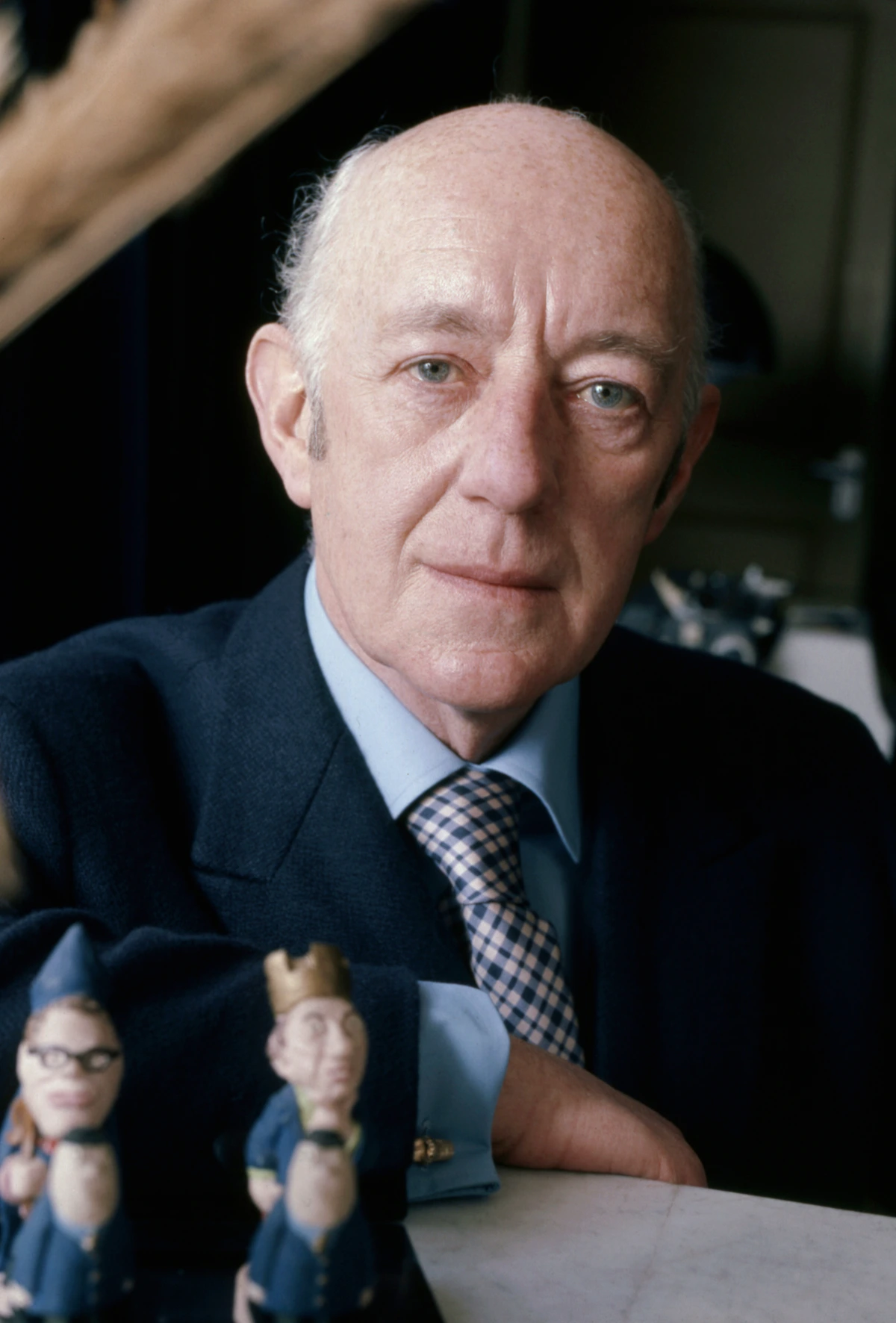
Alec Guinness
Actor
Alec Guinness: The Legendary Actor Who Transformed Cinema
Alec Guinness was not just an iconic British actor; he was a chameleon of the screen, slipping into roles with a grace that would make even the most skilled magician envious. Born on April 2, 1914, in a modest apartment in Marylebone, London, he would eventually become a household name, gracing the silver screen in everything from Shakespearean dramas to the galaxy far, far away. Guinness is perhaps best known for his portrayal of Obi-Wan Kenobi in the original Star Wars trilogy, a role that introduced him to a new generation of fans. However, his career spanned over six decades, with notable performances in films like The Bridge on the River Kwai, Kind Hearts and Coronets, and Lawrence of Arabia. His ability to oscillate between comedic and dramatic roles made him a beloved figure in the entertainment industry, and his legacy continues to resonate today.
Early Life and Career Challenges
Guinness’s early years were not without their challenges. Raised by his mother, who worked as a waitress, and his father, who was often absent, young Alec found solace in the world of performance. After a brief stint in the military during World War II, where he served in the Royal Navy, he returned to the theater, honing his craft at the renowned Old Vic. His transition to film came in the late 1940s, and he quickly became a favorite of British audiences, thanks to his versatile acting style and sharp wit. By the time he donned the robes of a Jedi Knight in 1977, Guinness had already established himself as a formidable talent, winning an Academy Award in 1958 for his role in The Bridge on the River Kwai. This film not only showcased his dramatic prowess but also solidified his status as a serious actor who could hold his own against Hollywood heavyweights.
The Art of Transformation
As the years rolled on, Guinness's filmography expanded, and he became known for his ability to play multiple characters in a single film, as seen in Kind Hearts and Coronets, where he portrayed eight different roles. This knack for transformation led to him being frequently compared to other greats of the screen, but Guinness was never one to rest on his laurels. He was, by all accounts, an actor who took his craft seriously, often immersing himself deeply in his characters. His portrayal of Obi-Wan Kenobi, for instance, was not just a role; it was a carefully constructed performance that added depth to a character who would become a pop culture icon. However, Guinness had a complicated relationship with his most famous role. He famously described the Star Wars script as “rubbish” and expressed his concern that the film would be a flop. Yet, history had other plans, and he found himself forever associated with the wise old Jedi, a connection he both embraced and begrudged.
Blending Humor and Gravitas
Critics often lauded Guinness for his ability to blend humor with gravitas, making him a unique figure in cinema. He brought a certain charm to every role he played, whether as the droll Ealing Studios anti-hero or the tortured soul in serious dramas. His talent did not go unnoticed, and he received numerous accolades throughout his career, including a knighthood in 1955 and a BAFTA Fellowship. However, despite his fame, Guinness remained a private individual, often preferring the quiet life away from the glitz and glamour of Hollywood. He had a particular disdain for the media spotlight, once stating, "I don't think of myself as a celebrity. I just happen to be an actor."
A Legacy of Wisdom and Humor
Throughout his career, Guinness's performances sparked a variety of reactions, from laughter at his comedic roles to tears in his more serious portrayals. One of his most memorable quotes came from his experience in Star Wars, where he advised young actors to never take themselves too seriously. "Acting is a form of madness," he quipped, "but it’s a lovely madness." His humility and wit endeared him to many, and fellow actors often spoke highly of his work ethic and generosity on set. Director David Lean, who worked with Guinness on several films, once remarked, "He was the finest actor I had ever worked with, and I have worked with many." Such sentiments echo throughout the industry, where his influence is still felt today.
The Nature of Fame and Artistic Integrity
Guinness’s legacy also raises questions about the nature of fame and the roles that actors choose to inhabit. In an era where franchises dominate the box office, his experience serves as a reminder that the craft of acting is not merely about the roles but the depth and authenticity one brings to them. As younger actors step into the shoes of iconic characters, they can look to Guinness’s career as a guide on how to navigate the complexities of fame while remaining true to one’s artistic vision. His ability to balance commercial success with artistic integrity is a lesson for aspiring actors everywhere.
Continuing Influence on Film and Theater
Looking to the future, Alec Guinness’s influence is likely to continue shaping the landscape of film and theater. His performances have inspired countless actors and filmmakers, and his unique ability to blend humor with poignancy will leave an indelible mark on the industry. As we reflect on his life and career, we are reminded of the power of storytelling and the unique role actors play in bringing narratives to life. For those who appreciate the art of performance, Alec Guinness remains a towering figure, a reminder that the true essence of acting lies in the ability to transform and connect with audiences, regardless of the medium.
Conclusion: A Cultural Icon
In conclusion, Alec Guinness was more than just an actor; he was a cultural icon whose work transcended generations. His legacy is one of humor, depth, and an unwavering commitment to the craft. As we look forward, we can only hope that new talents will emerge to carry his torch, illuminating the path for future generations of storytellers. For now, we celebrate the life and work of this remarkable man, whose spirit lives on in every performance that seeks to capture the complexities of the human experience. His journey through the world of film and theater reminds us that while life may be fleeting, the stories we tell can endure, much like his unforgettable characters that continue to resonate with audiences around the globe.