Alan Rickman: The Charismatic Villain of Cinema
Exploring the Legacy of Alan Rickman and His Impact on Film
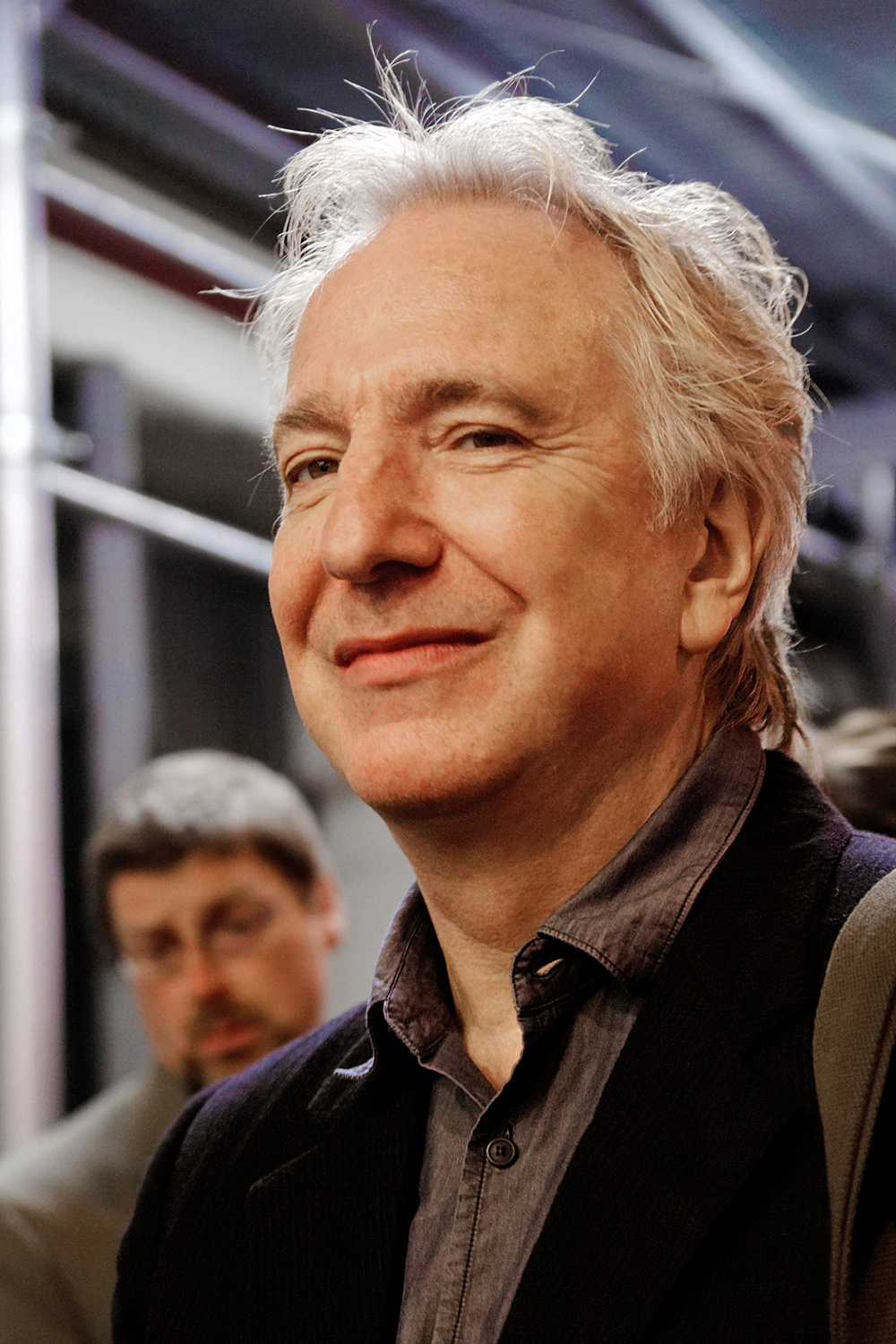
About
Alan Rickman
Actor
Alan Rickman, the beloved British actor known for his incredible range and iconic voice, left an indelible mark on the world of cinema. Born on February 21, 1946, in Acton, London, he passed away on January 14, 2016, after a battle with pancreatic cancer. Rickman’s career spanned over four decades, during which he captured the hearts of audiences and critics alike with performances that were both compelling and often laced with a touch of dark humor. From his role as the charmingly wicked Professor Severus Snape in the Harry Potter franchise to his unforgettable portrayal of Hans Gruber in Die Hard, Rickman’s characters often occupied the moral gray areas, making him a unique figure in Hollywood. His ability to blend charm with menace made him a standout, not just as a villain, but as a versatile actor capable of delivering a nuanced performance in any genre. As we reflect on his life and career, we can’t help but marvel at the legacy he left behind, one that continues to inspire and entertain.
Rickman’s journey into acting was not a straight path. He studied at the Royal Academy of Dramatic Art (RADA) and began his career on stage, where he gained acclaim for his performances in various Shakespearean plays. Before he became a household name, he worked in theater, honing his craft and developing the rich, resonant voice that would become his trademark. His breakout film role came in 1988 with Die Hard, where he portrayed the suave yet sinister Hans Gruber. This role not only showcased his talent for playing villains but also established him as a leading actor in Hollywood. Following this, Rickman took on a range of roles from the romantic lead in Sense and Sensibility to the hilarious yet tragic portrayal of the Sheriff of Nottingham in Robin Hood: Prince of Thieves. His ability to oscillate between drama and comedy made him a favorite among filmmakers and audiences alike.
Rickman’s charm was not just in his performances but also in his personality. Known for his dry wit and self-deprecating humor, he often found himself the subject of affection from fans and co-stars. He was a man who understood the gravity of his craft but also embraced the absurdity of fame. In interviews, he often reflected on the nature of acting and the strange dichotomy of being both a public figure and a private person. This duality perhaps made him all the more relatable as he navigated the complexities of life in the limelight with grace and humor. His untimely death at the age of 69 sent shockwaves through the entertainment industry, with fans and fellow actors mourning the loss of a true talent.
In analyzing Rickman’s impact on film and theater, it’s clear that he redefined how villains could be portrayed on screen. Before him, villains were often one-dimensional characters, cackling and scheming without depth. Rickman brought a sense of humanity to his antagonists, allowing audiences to see the motivations behind their actions. His performance as Severus Snape in the Harry Potter series is perhaps the best example of this. Initially introduced as a seemingly villainous character, Snape’s arc revealed layers of complexity that kept audiences guessing until the very end. Rickman’s ability to convey vulnerability alongside menace made him a master of suspense and emotional engagement. This nuanced portrayal has influenced a generation of actors who aspire to bring similar depth to their roles, proving that a villain can be just as captivating as the hero.
Reactions to Rickman’s passing were heartfelt and widespread. Fellow actors, fans, and industry insiders took to social media to express their sorrow and share memories of the man who had touched their lives through his art. Emma Watson, who played Hermione Granger in the Harry Potter films, described him as a “wonderful man” who had a profound impact on her life. Other co-stars, like Daniel Radcliffe and Rupert Grint, echoed similar sentiments, highlighting his kindness and mentorship on set. Fans reminisced about their favorite Rickman moments, from his witty one-liners to his unforgettable performances. The outpouring of love and respect demonstrated not only his talent but also the profound connection he forged with those who admired him. Amidst the sorrow, many celebrated his legacy, sharing clips from his most memorable roles and reminding us all of the joy he brought to our screens.
The implications of Rickman’s career extend beyond his individual performances. He paved the way for more complex characters in film and television, encouraging writers and directors to explore the depths of human nature. His legacy is a testament to the power of storytelling and the importance of multi-faceted characters. As Hollywood continues to evolve, the influence of Rickman’s work can be seen in the way contemporary films approach villainy. Today, audiences crave depth and complexity, and Rickman’s ability to deliver that in spades has left an enduring mark on the industry. His performances remind us that even in the darkest of characters, there is often a glimmer of humanity, a lesson that resonates with viewers and creators alike.
As we reflect on Alan Rickman’s life, we are left with the bittersweet reminder of what we have lost. However, his work continues to thrive, with new generations discovering his films and performances. The upcoming years may see more tributes, retrospectives, and perhaps even posthumous projects that celebrate his talent. Fans can look forward to the possibility of seeing his work reimagined or referenced in new ways, keeping his spirit alive in the entertainment world. The legacy of Alan Rickman will undoubtedly endure, as his characters and performances continue to captivate and inspire. In a world that often feels chaotic, Rickman’s ability to blend humor, charm, and darkness serves as a reminder of the complexity of the human experience and the joy that can be found even in the shadows.
In conclusion, Alan Rickman’s contributions to film and theater are immeasurable. His unique ability to portray villains with charm and depth has changed the landscape of character development in cinema. As we continue to celebrate his work, we honor not only the actor but the man behind the roles. Rickman’s legacy will inspire future generations of actors and filmmakers to embrace complexity in storytelling, ensuring that his influence will be felt for years to come. Whether you are revisiting his classic films or discovering them for the first time, Rickman’s performances remind us of the power of cinema to evoke emotion and provoke thought. His characters live on, etched in our memories, forever charming, forever captivating, and undeniably human.